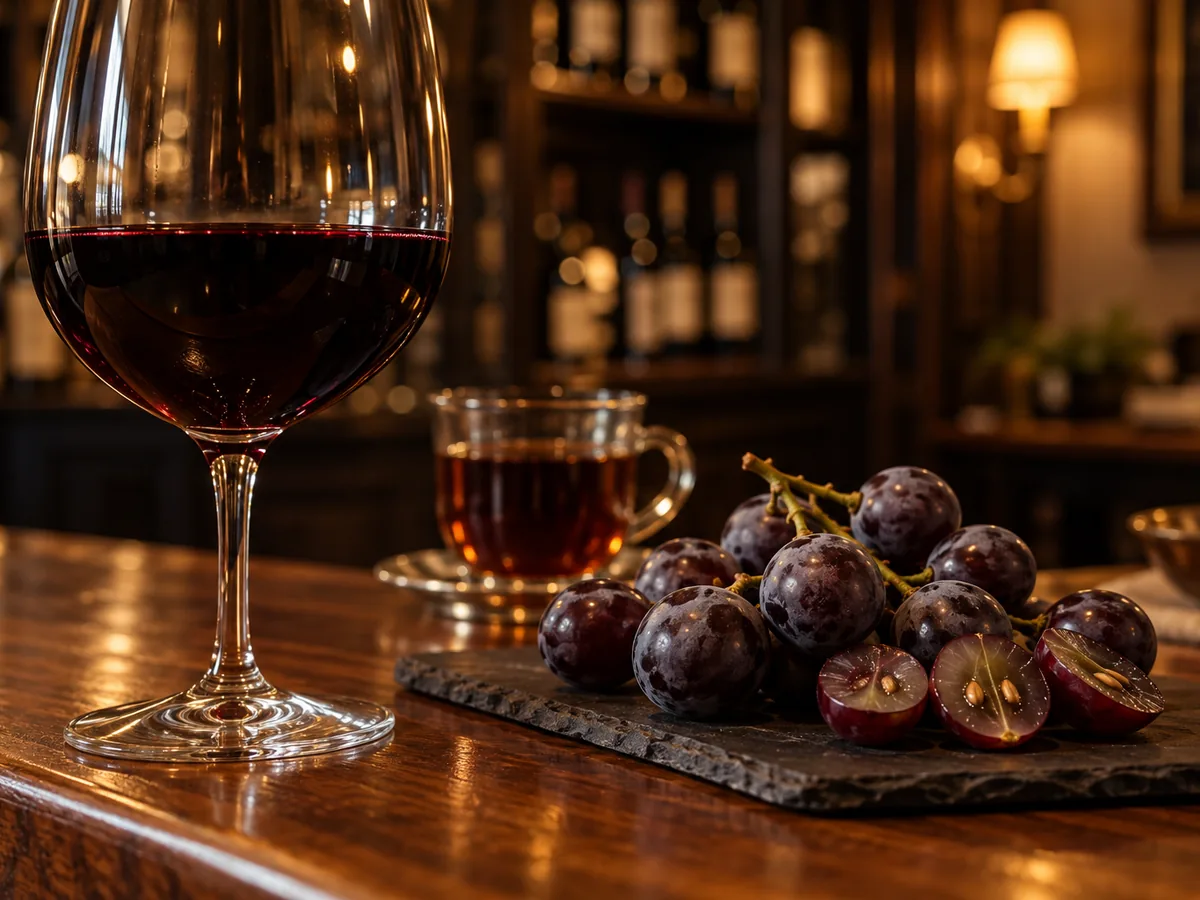
When we named our wine bar, we named it after the part of wine people feel before they can describe it. Take a sip of a young Cabernet and notice how your mouth goes dry, a little like a strong cup of black tea. That's tannin. Here's what it is, where it comes from, how to taste it and what to eat with it.
Quick answers
What are tannins? Natural compounds found in grape skins, seeds and stems, and in oak barrels.
What do they feel like? Dry and grippy on your tongue and gums, like strong black tea. Tannin is a texture more than a flavor.
Which wines have the most? Tannin varies by grape and winemaking. Nebbiolo, Tannat, Sagrantino, Cabernet Sauvignon and Syrah can make notably tannic wines.
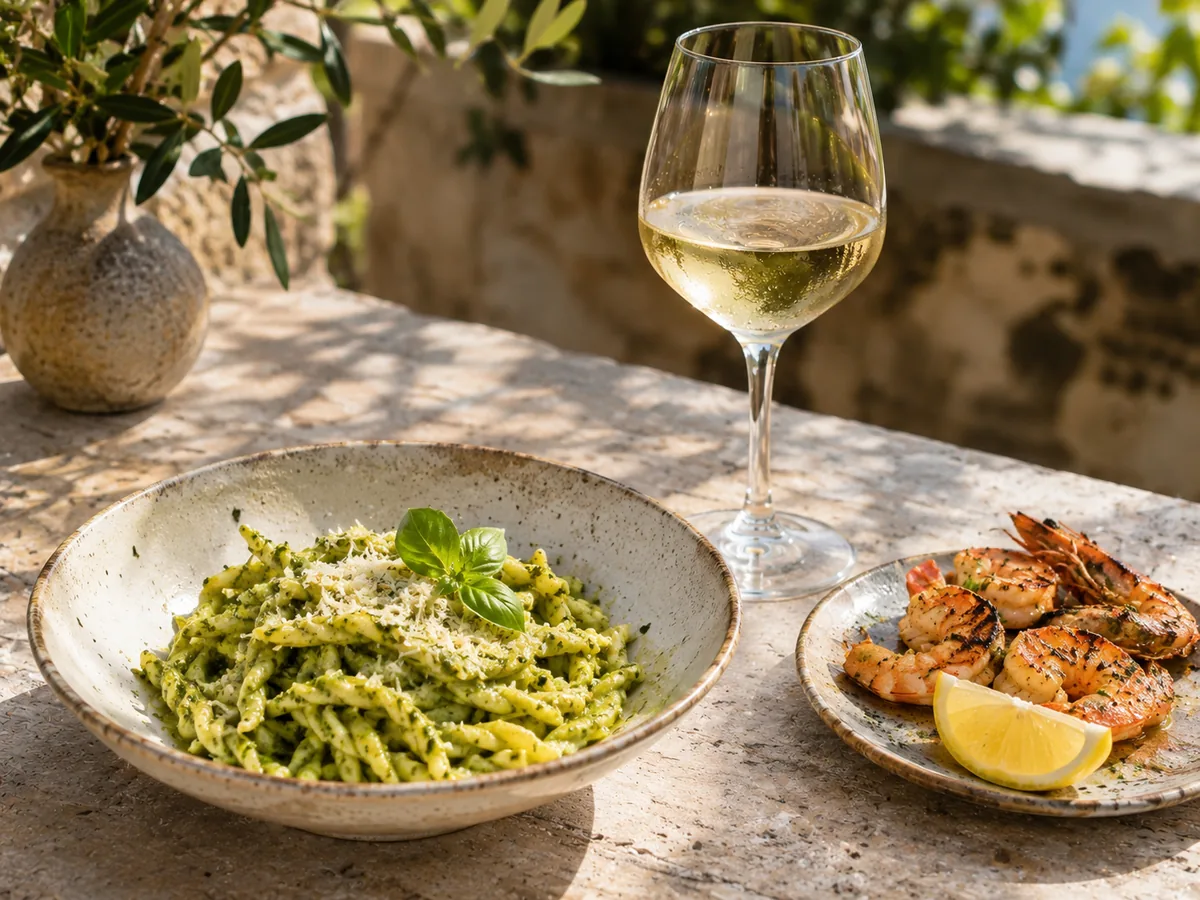
Do white wines have tannin? Most have less than red wines because they usually spend less time in contact with skins and seeds. Skin-contact white wines, often called orange wines, can have more.
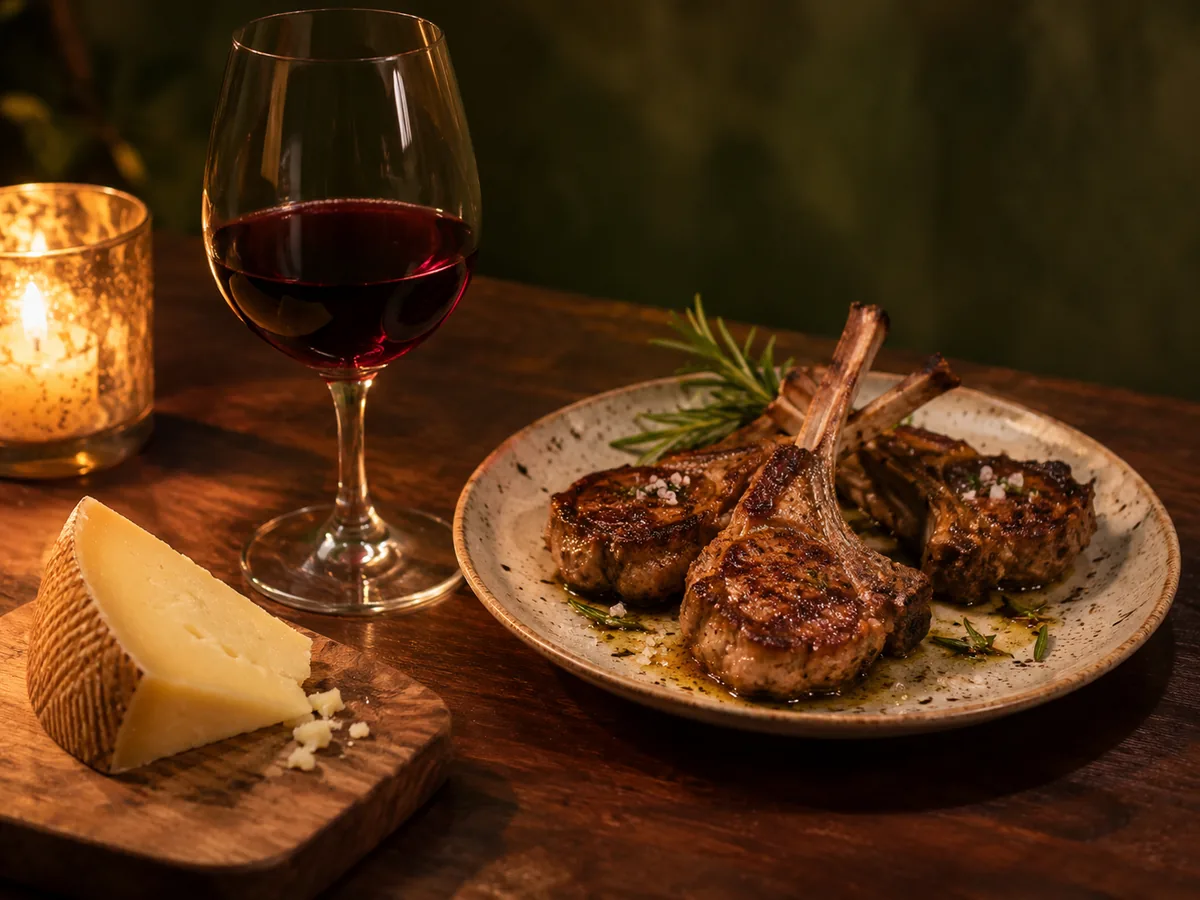
What should I eat with a tannic wine? Food with fat and protein: steak, lamb, aged cheese. They soften the grip and make the wine taste rounder.
Where tannins come from
Tannins are a family of plant compounds called polyphenols. In wine, they come from three places:
Grape skins and seeds. Red wine is commonly fermented with skins, which contribute tannin. Skin-contact time can affect how much is extracted, along with the grape and winemaking choices.
Stems. Some winemakers ferment whole clusters, stems included. Stems can add tannin and sometimes a green or herbal character.
Oak. Oak barrels can contribute tannins, particularly when new.
Most white wines have less tannin than reds because the juice is usually separated from the skins before fermentation. They aren’t necessarily tannin-free.
How to taste tannin
Take a sip, hold it for a moment, then swallow and pay attention to your gums and the inside of your cheeks. If they feel dry, rough or a little puckered, that's tannin. It's easy to confuse with two other things: Acidity makes your mouth water. Tannin creates a drying, sometimes rough sensation on the gums, tongue and inside of the cheeks. Bitterness is a taste; tannin is mainly a tactile sensation
Tannins can be fine and silky or coarse and chewy. The best ones give a wine structure, the way a frame holds a picture, without taking over.
Wines from soft to grippy
Tannin varies by wine and winemaking style and may generally be something like this:
Tannin level | Grapes to try | What it feels like |
|---|---|---|
Low | Pinot Noir, Gamay, Barbera | Light, smooth, easy |
Medium | Merlot, Grenache, Sangiovese, Zinfandel | Some grip, still round |
High | Cabernet Sauvignon, Syrah, Malbec | Firm, structured, drying |
Very high | Nebbiolo, Tannat, Sagrantino | Powerful, chewy, built to age |
What to eat with tannic wine
Tannins bind to fat and protein. That's why a structured red that feels harsh on its own turns generous next to a steak. A few suggestions:
Protein and fat can soften the perception of tannin. Red meat, lamb, duck and aged cheese are classic partners.
Salt can make a pairing feel more balanced. It can also soften perceived bitterness.
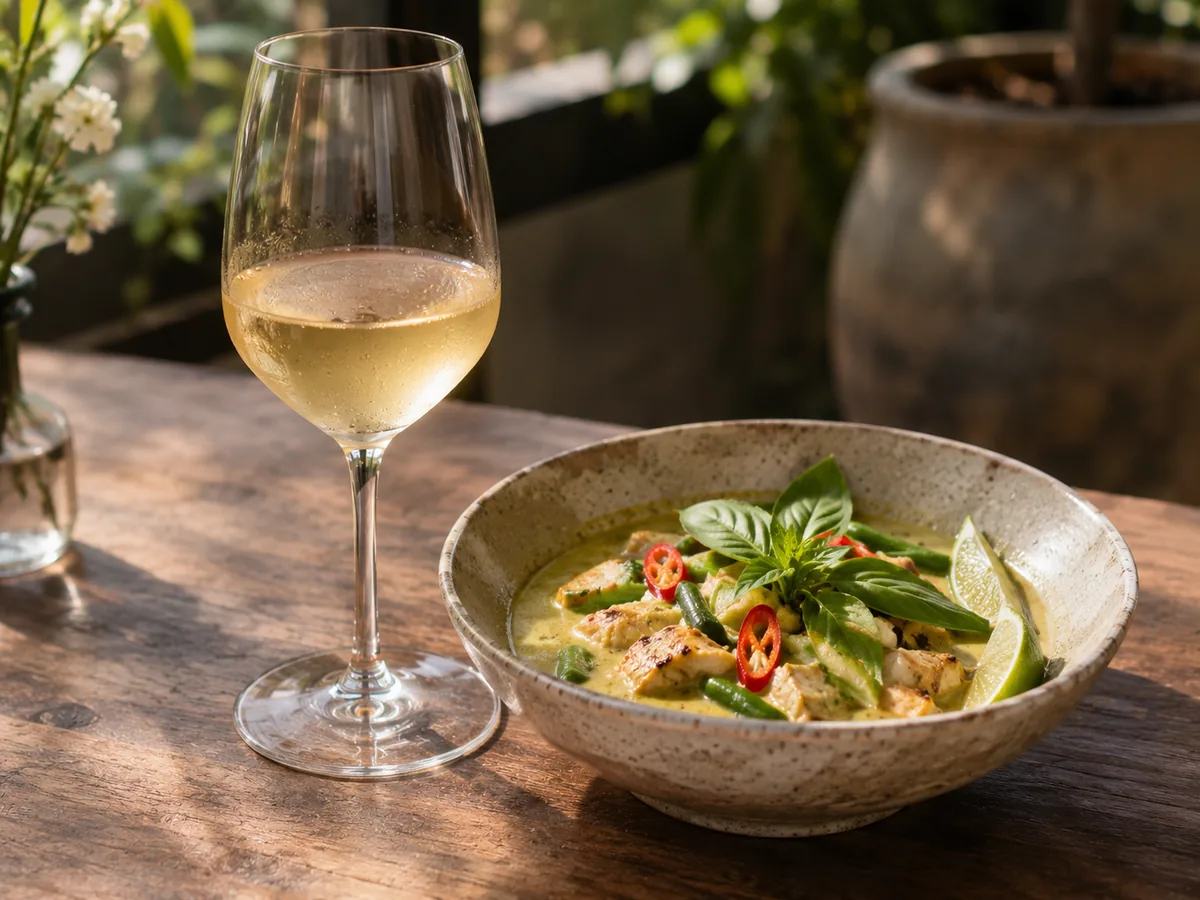
Spicy heat can make tannic wine feel harsher. A lighter wine or one with a touch of sweetness may work better.
Some oily fish can be difficult with big tannins. Try a lighter red or a white wine if the pairing tastes metallic or heavy.
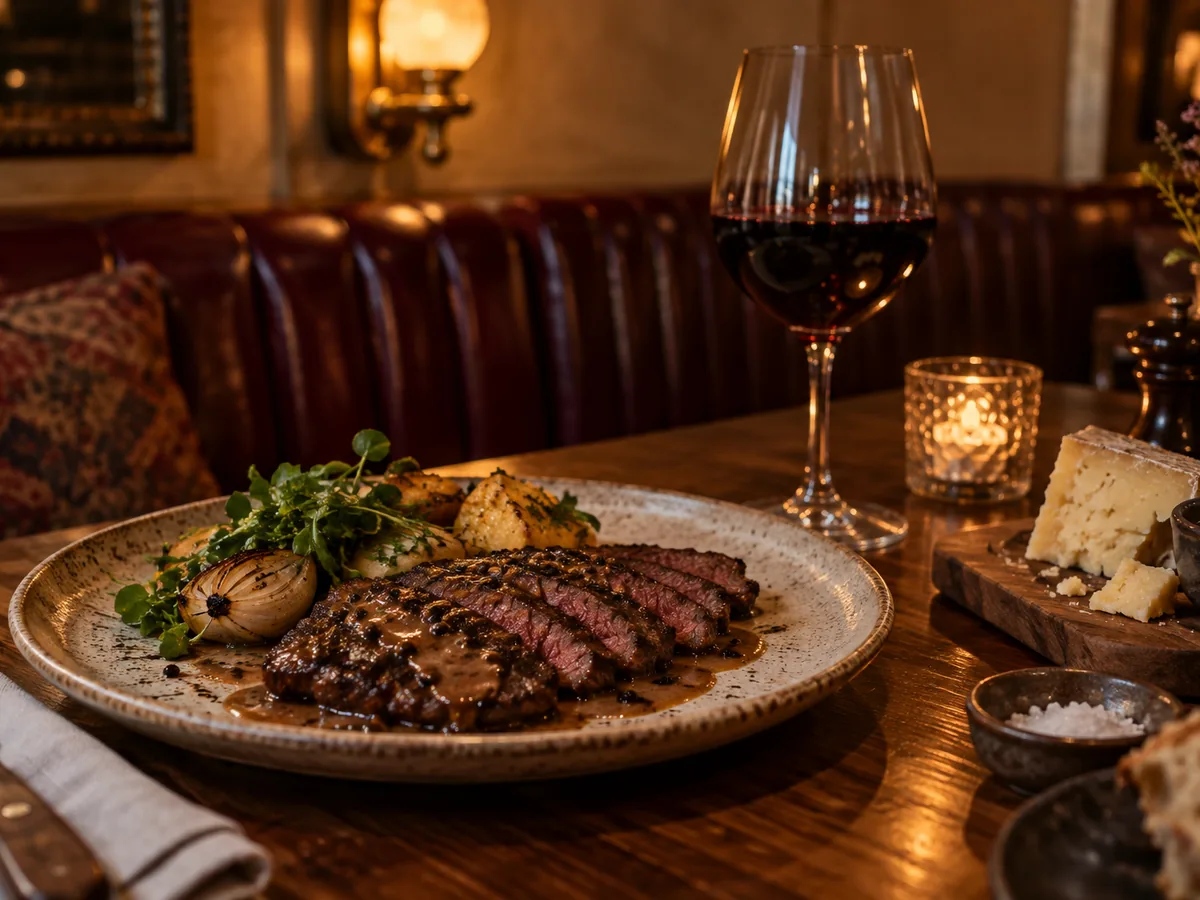
On our menu, the hanger steak with brandy peppercorn sauce, the bison meatballs and the Tannin Board, with its rotating artisan cheeses and cured meats, are all built for a glass with some grip.
Do tannins soften with age?
Often, but it depends on the wine. As wine ages, tannins and other compounds can change and some may settle as sediment. An older wine can seem smoother, though bottle age doesn’t guarantee that result. Decanting can help separate wine from sediment and may open up its aromas. It can make a young wine seem softer to some drinkers, but that effect isn’t guaranteed.
Why we named our bar Tannin
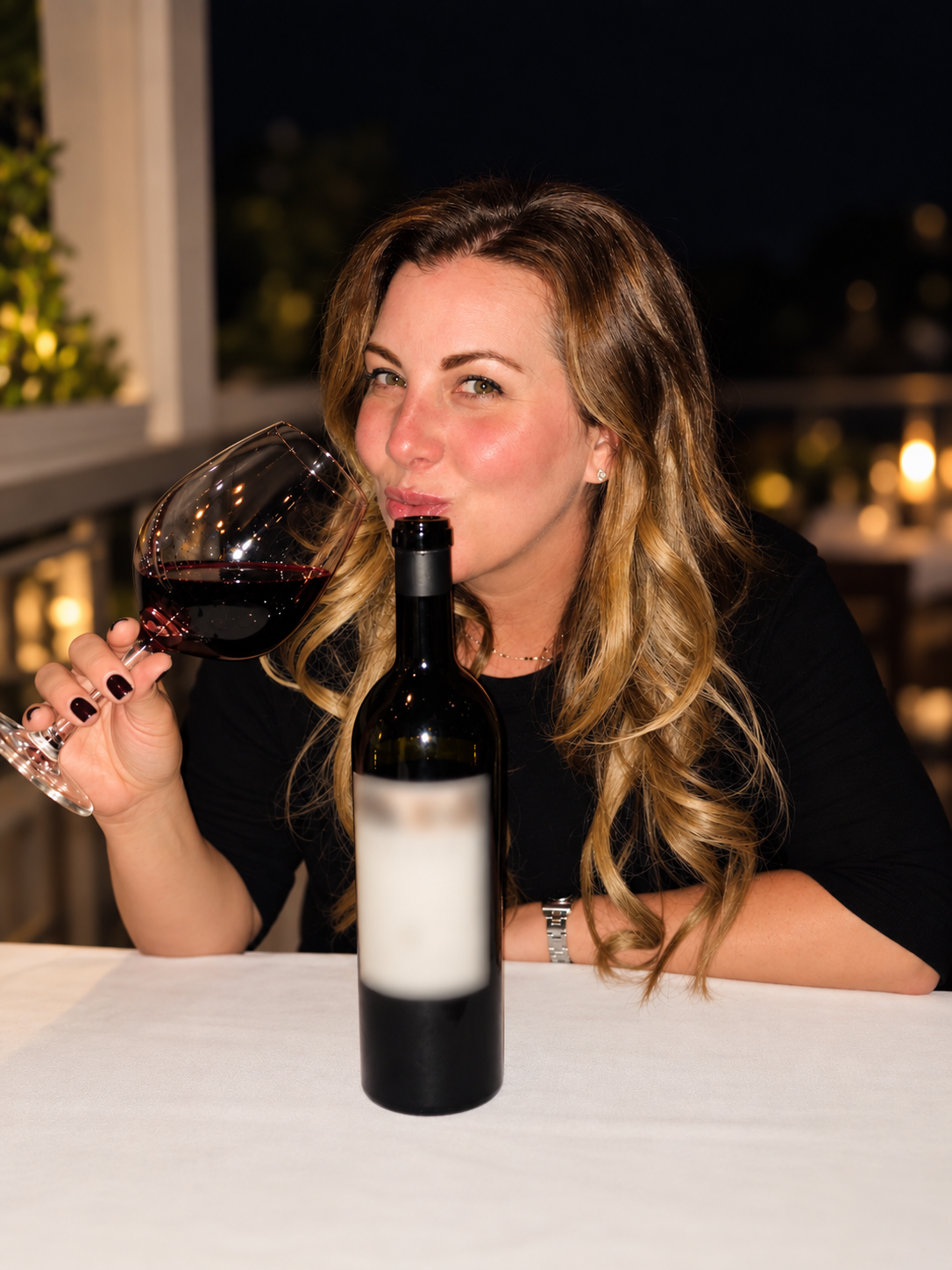
"I'm drawn to wines with complexity, and I especially love a grippy red," says co-founder Nicole. "Tannins bring the structure and texture I enjoy, so Tannin felt true to my palate and the wines I love. It's also a simple invitation to talk about what's in the glass. Wine can be layered and interesting without feeling formal or intimidating."
That's the idea behind the list, too. Ask us what's open, tell us what you like, and we'll find the glass. Read more about how Tannin began.