Piedmont is famous for its powerful reds, Barolo and Barbaresco. But in the south of the region, close to the Ligurian coast, it also makes one of Italy's most elegant white wines: Gavi. Crisp, citrusy and mineral, made from the Cortese grape, Gavi is a perfect partner for seafood and a lovely change from Pinot Grigio. Here's what to know.
Quick answers
What is Gavi wine? A dry white wine from the area around the town of Gavi in Piedmont, northwest Italy, made from 100% Cortese grapes.
What does Gavi taste like? Lemon, green apple, pear and white flowers, with bright acidity, a mineral, "wet stone" feel and often a light almond note on the finish.
What is Gavi di Gavi? Gavi made from grapes grown within the commune of Gavi itself. It's labeled "Gavi del Comune di Gavi."
Is Gavi sweet? No. Gavi is dry.
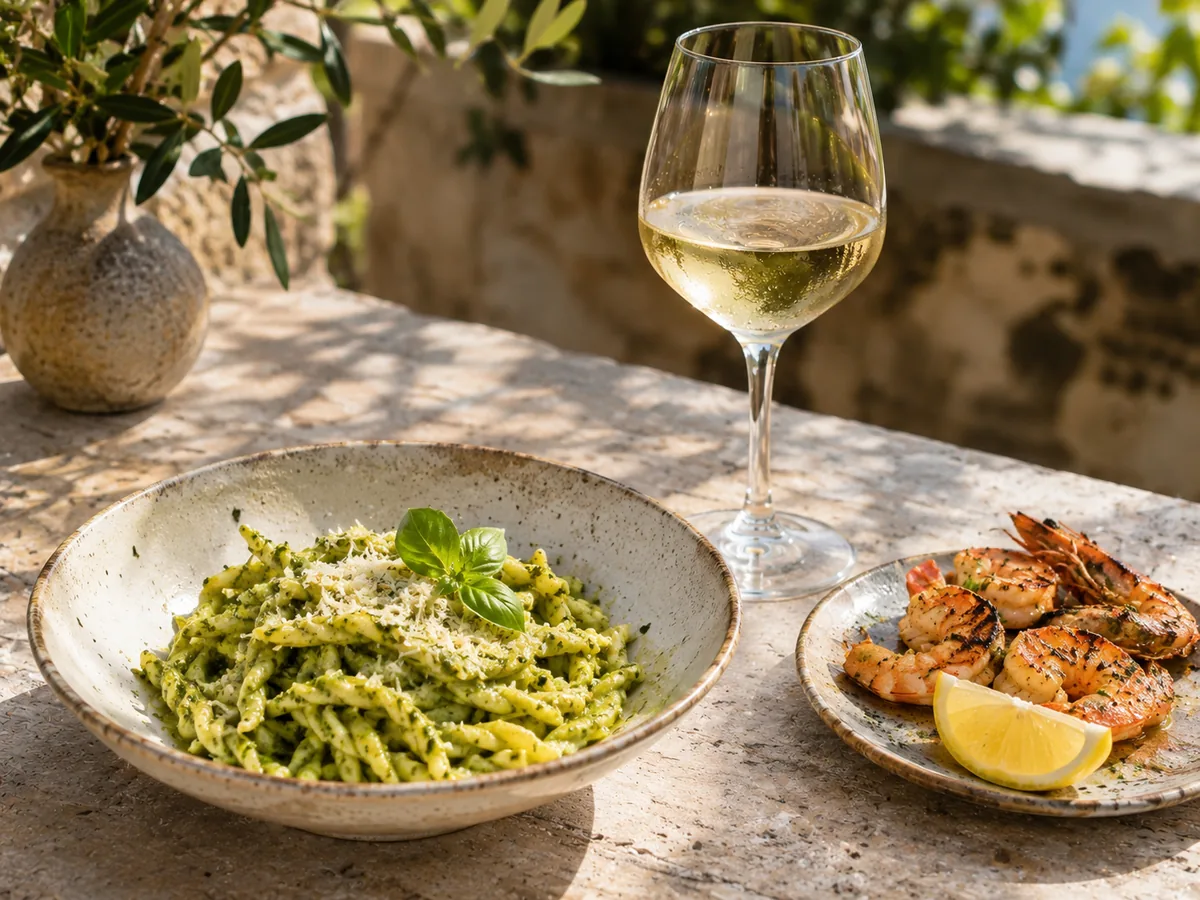
What food goes with Gavi? Seafood, shellfish, pesto pasta, fried fish and light vegetable dishes.
Where Gavi comes from
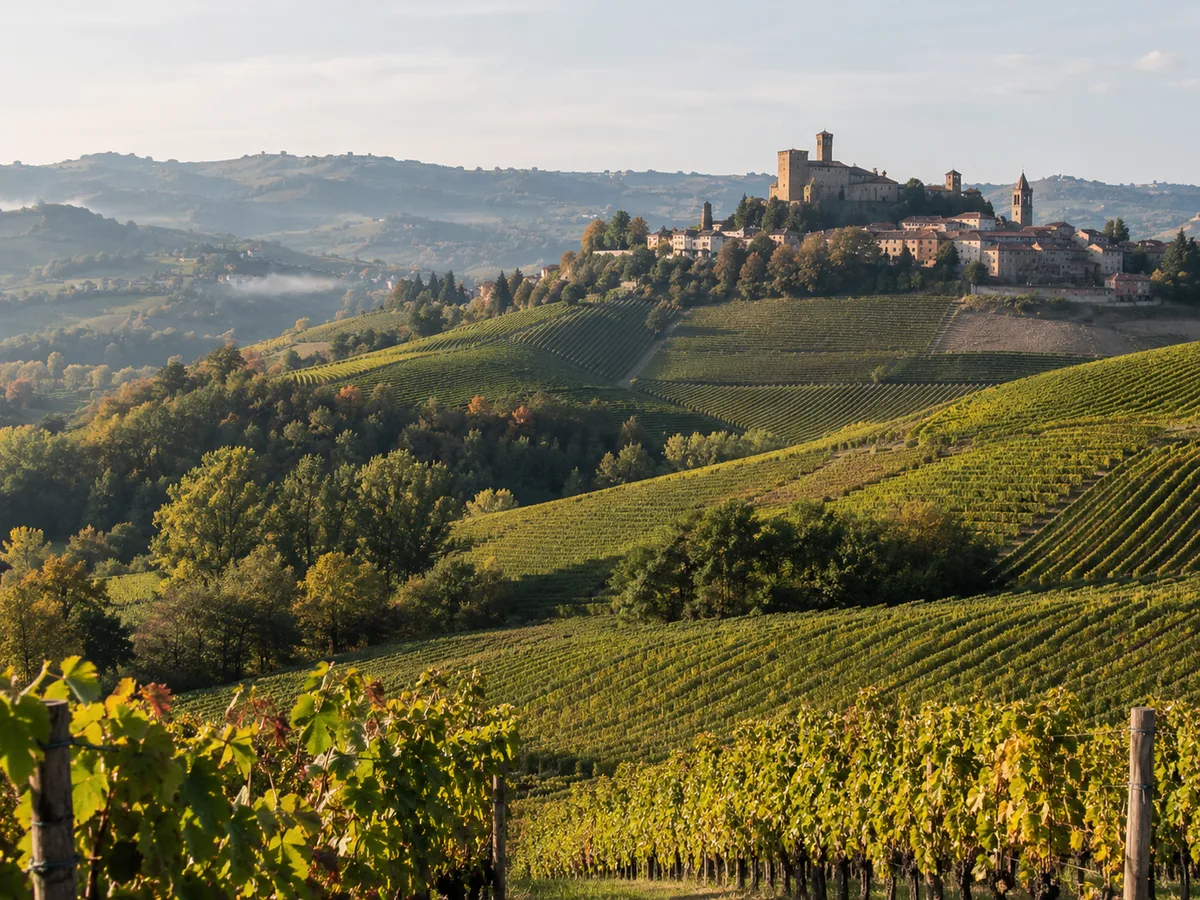
Gavi is made in the province of Alessandria in southeastern Piedmont, in hills just inland from Genoa and the Ligurian coast. The sea breezes and the cool hills help the Cortese grape keep its fresh acidity. Gavi earned Italy's highest classification, DOCG, in 1998, a rare honor for a white wine from a region best known for reds.
The Cortese grape
Cortese is a white grape native to Piedmont. On its own it's delicate rather than aromatic, which makes it a great expression of where it's grown. In Gavi, it gives wines that are light to medium-bodied, with high acidity and subtle flavors of citrus, apple, honeydew and white flowers, often with a bitter-almond finish that's typical of Italian whites.
Gavi di Gavi and the label
Label | What it means |
|---|---|
Gavi / Cortese di Gavi | From anywhere in the Gavi area's 11 communes |
Gavi del Comune di Gavi ("Gavi di Gavi") | Only from vineyards in the commune of Gavi itself |
Gavi Riserva | Aged longer before release for a richer style |
Gavi Spumante | A sparkling version |
One of the most famous names is La Scolca's "Gavi dei Gavi," known for its black label, which helped make Gavi famous around the world.
How to serve Gavi
Temperature: chilled, about 46–50°F (8–10°C).
Glass: a standard white wine glass.
Drink it young: most Gavi is best within 1–3 years, while it's fresh. Top bottlings and Riserva can age a few years longer and gain a honeyed, nutty depth.
Once opened: re-cork it and keep it in the fridge for 3–5 days.
Gavi food pairings
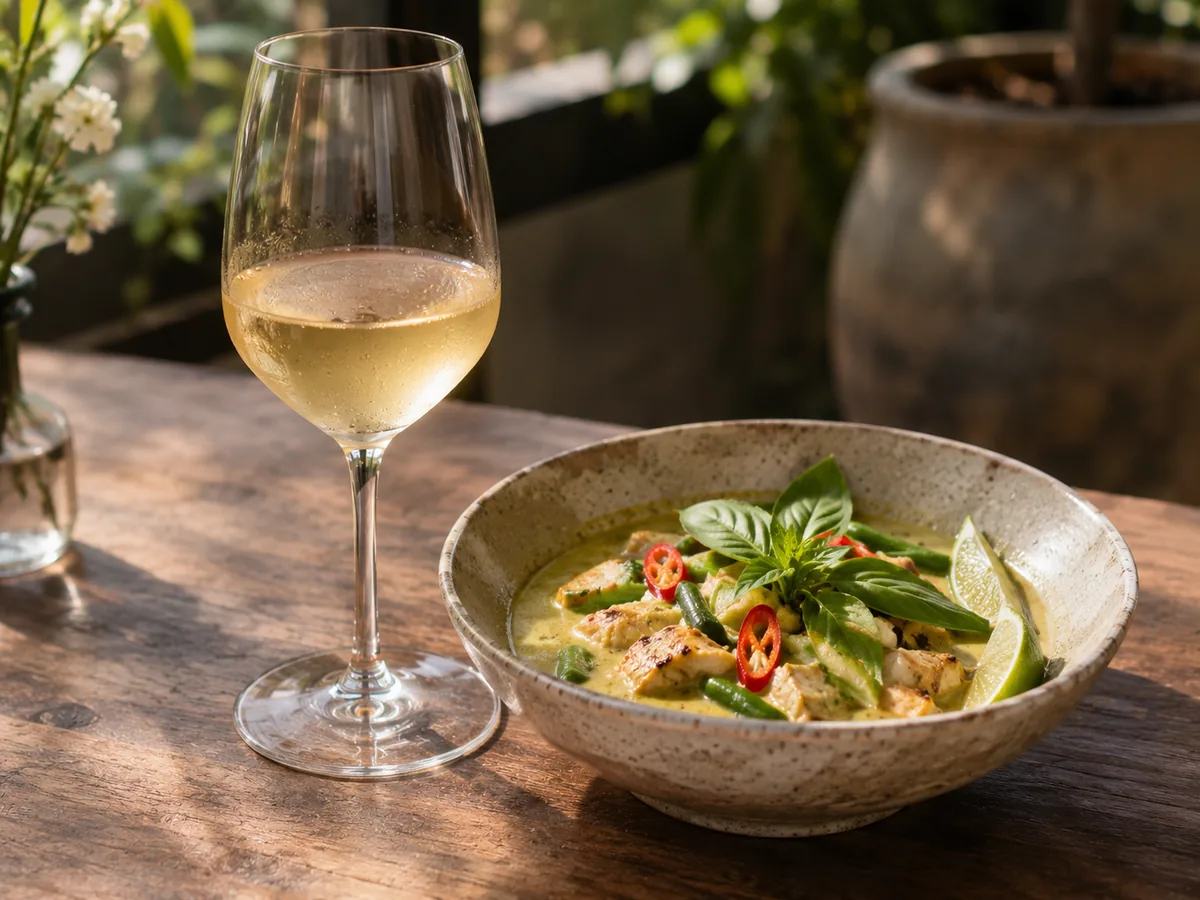
Gavi is a natural match for the food of nearby Liguria: trofie or linguine with basil pesto, grilled fish, anchovies and fritto misto. Its fresh acidity also works beautifully with oysters, mussels, shrimp, crab and light pasta dishes, as well as with risotto, asparagus and fresh goat cheese. It's an elegant choice for a winter seafood dinner, too.
If you like Gavi, try these
Sauvignon Blanc from the Loire: similar crisp citrus and minerality. See our Sauvignon Blanc guide.
Albariño from Spain: fresh and seafood-friendly, a little more aromatic.
Croatian whites: coastal whites that also love seafood. See our guide to Croatian wine.
Chablis: unoaked Chardonnay with a similar mineral edge.
Nicole's Gavi pick
Gavi is a great winter whites for people who think they only drink red. Gavi is bright and saline with a hint of almond, so pour it with oysters, fried calamari, or a bowl of pesto pasta after a cold day on the hill.
Looking for a fresh white? Ask our team what's pouring by the glass, and take a look at our menus.