Rioja is Spain's most famous red wine, and Tempranillo is the grape behind it. Smooth, savory and food-friendly, it's one of the best-value classic wines in the world. But the words on the label, like Crianza, Reserva and Gran Reserva, can be confusing. This guide explains what Rioja and Tempranillo are, what the labels mean, how they taste and what to eat with them.
Quick answers
What is Rioja wine? Wine from the Rioja region of northern Spain. Most Rioja is red and made mainly from Tempranillo, often blended with Garnacha, Graciano and Mazuelo.
Is Rioja the same as Tempranillo? Not exactly. Rioja is a place; Tempranillo is a grape. Most red Rioja is Tempranillo-based, but Tempranillo is also grown across Spain, in Portugal and beyond.
What do Crianza, Reserva and Gran Reserva mean? They tell you how long the wine was aged before release: about 2, 3 and 5 years, with part of that time in oak barrels.
What does Rioja taste like? Red cherry, plum and dried fig, with savory notes of leather and tobacco and, when aged in oak, vanilla and coconut.
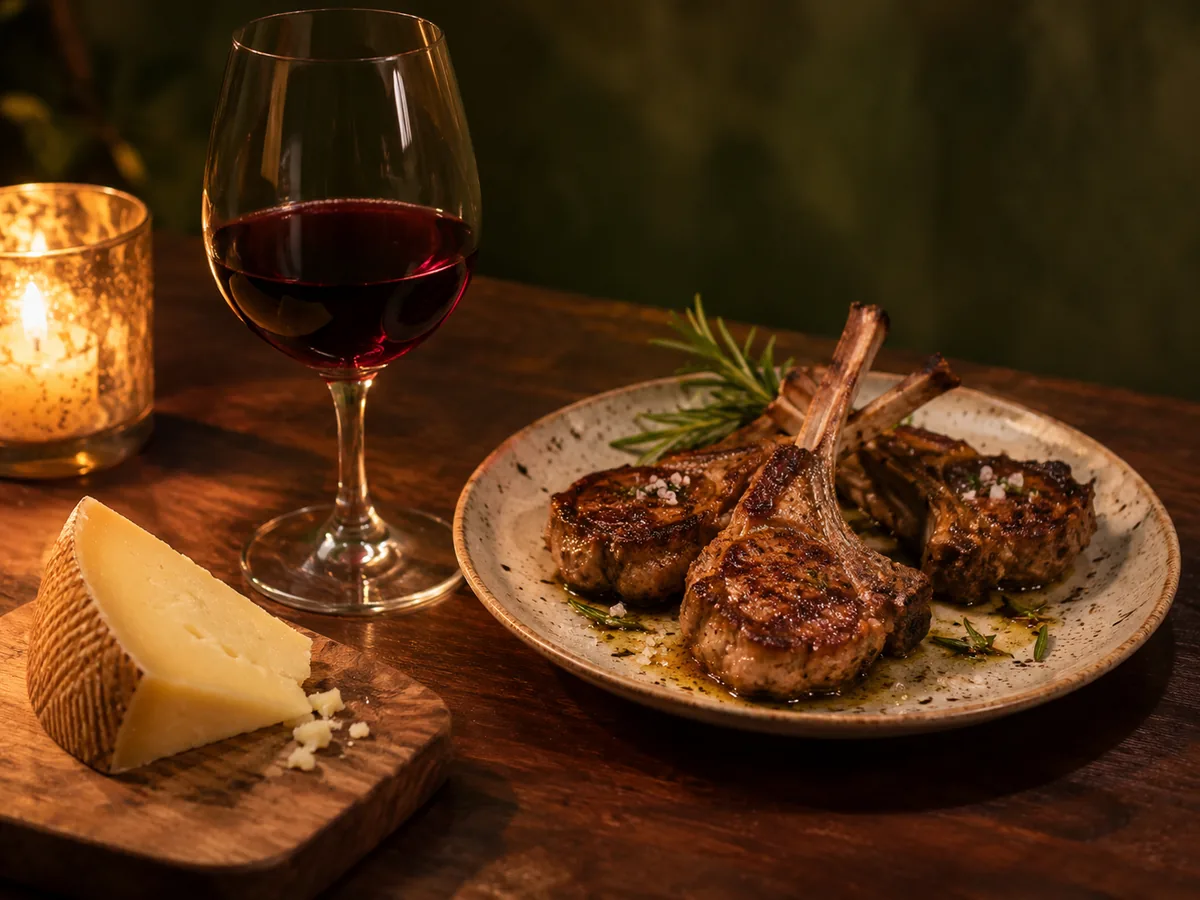
What food goes with Rioja? Lamb, roasted meats, cured ham, mushrooms, roasted vegetables and aged cheeses like Manchego.
Tempranillo: Spain's signature grape
Tempranillo takes its name from the Spanish temprano, meaning "early," because it ripens earlier than many other red grapes. It makes medium- to full-bodied wines with moderate acidity and firm but smooth tannins. Its flavors range from fresh cherry and plum when young to dried fruit, leather and spice with age. Tempranillo has many local names: Tinto Fino or Tinta del País in Ribera del Duero, Tinta de Toro in Toro, and Tinta Roriz or Aragonez in Portugal, where it's one of the grapes in port.
Rioja: the region
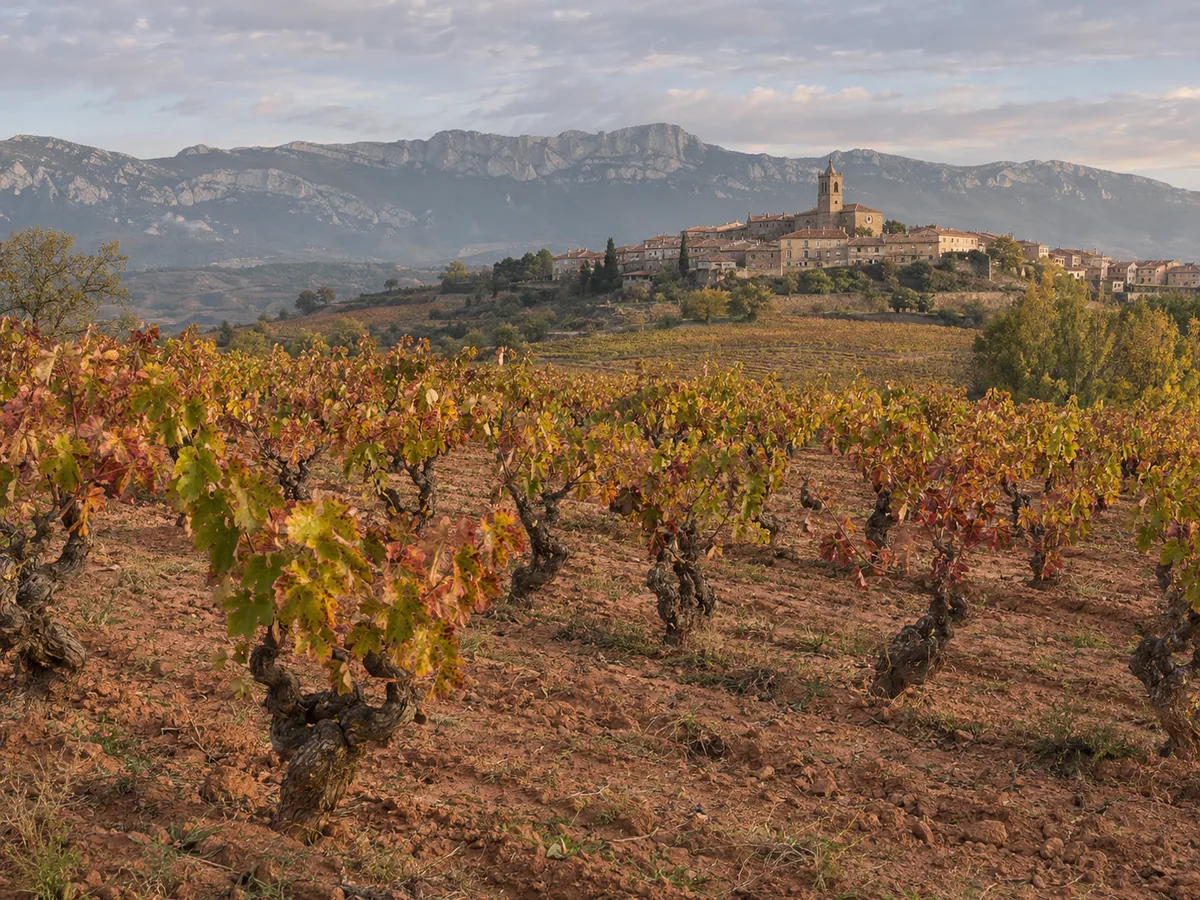
Rioja lies along the Ebro River in northern Spain, sheltered by mountains to the north. In 1991 it became Spain's first wine region to earn the top DOCa classification. It has three subzones:
Rioja Alta: higher, cooler vineyards that give elegant, long-lived wines.
Rioja Alavesa: chalky clay soils in the Basque Country, known for fine, aromatic reds.
Rioja Oriental: the warmest, driest area, where Garnacha does especially well.
How to read a Rioja label
Label | Minimum aging (red) | Style |
|---|---|---|
Joven / Genérico | Little or no oak aging | Fresh, fruity, for drinking young |
Crianza | 2 years, at least 1 in oak | Bright fruit with a touch of oak; great everyday value |
Reserva | 3 years, at least 1 in oak | Rounder and more complex, with spice and vanilla |
Gran Reserva | 5 years, at least 2 in oak and 2 in bottle | Mellow, savory and layered; made only in good years |
Longer aging doesn't automatically mean better; it means a different style. Many winemakers also release top wines outside these categories, and newer labels name the village or single vineyard where the grapes were grown.
Traditional vs modern Rioja
Traditional Rioja is aged for years in American oak, which gives it notes of vanilla, coconut and dill and a soft, savory character. Modern-style producers often use French oak and shorter aging for darker fruit and more power. Both are delicious; try one of each to see which you prefer. They're also a great example of how wine changes with age.
Other Tempranillo regions worth trying
Ribera del Duero: bolder and darker than Rioja, with more concentrated fruit and firmer tannins.
Toro: powerful, ripe and full-bodied, from a hot, dry corner of Spain.
Portugal (Douro, Alentejo): used in blends for both dry reds and port.
The US and Argentina: small but growing plantings, often riper and fruit-forward.
How to serve Rioja
Temperature: about 60–65°F (15–18°C), slightly below room temperature.
Decanting: young Reserva benefits from 30 minutes of air. Old Gran Reserva may have sediment, so pour gently or decant just before serving.
Once opened: re-cork it and finish within 3–5 days.
Rioja food pairings
In Rioja itself, the classic pairing is lamb chops grilled over vine cuttings. Tempranillo's savory character also loves roast pork, jamón and chorizo, mushroom dishes, roasted peppers and aged sheep's milk cheeses like Manchego. Crianza is a great all-rounder for tapas and pizza; save Gran Reserva for slow-roasted meats and a long dinner. For more on choosing reds, see our guide to dry red wine for beginners.
Nicole's Rioja pick
I’m a big fan of an aged Rioja, and one I’m excited to have on our list at Tannin is the 2008 Izarbe Gran Reserva. I love how Tempranillo evolves with age, bringing out those beautiful notes of dried cherry, leather, tobacco and spice. Give me a glass of this with meatballs and I’m happy.
Curious how a Crianza compares with a Reserva? Ask our team what's pouring by the glass, and take a look at our menus.