"Dry red wine" is one of the most common phrases on a wine list, and one of the most confusing. Does dry mean bitter? Rough? Not fruity? None of these. In wine, dry simply means not sweet. This beginner's guide explains what dry red wine is, how to tell light from bold, and which bottles to try first.
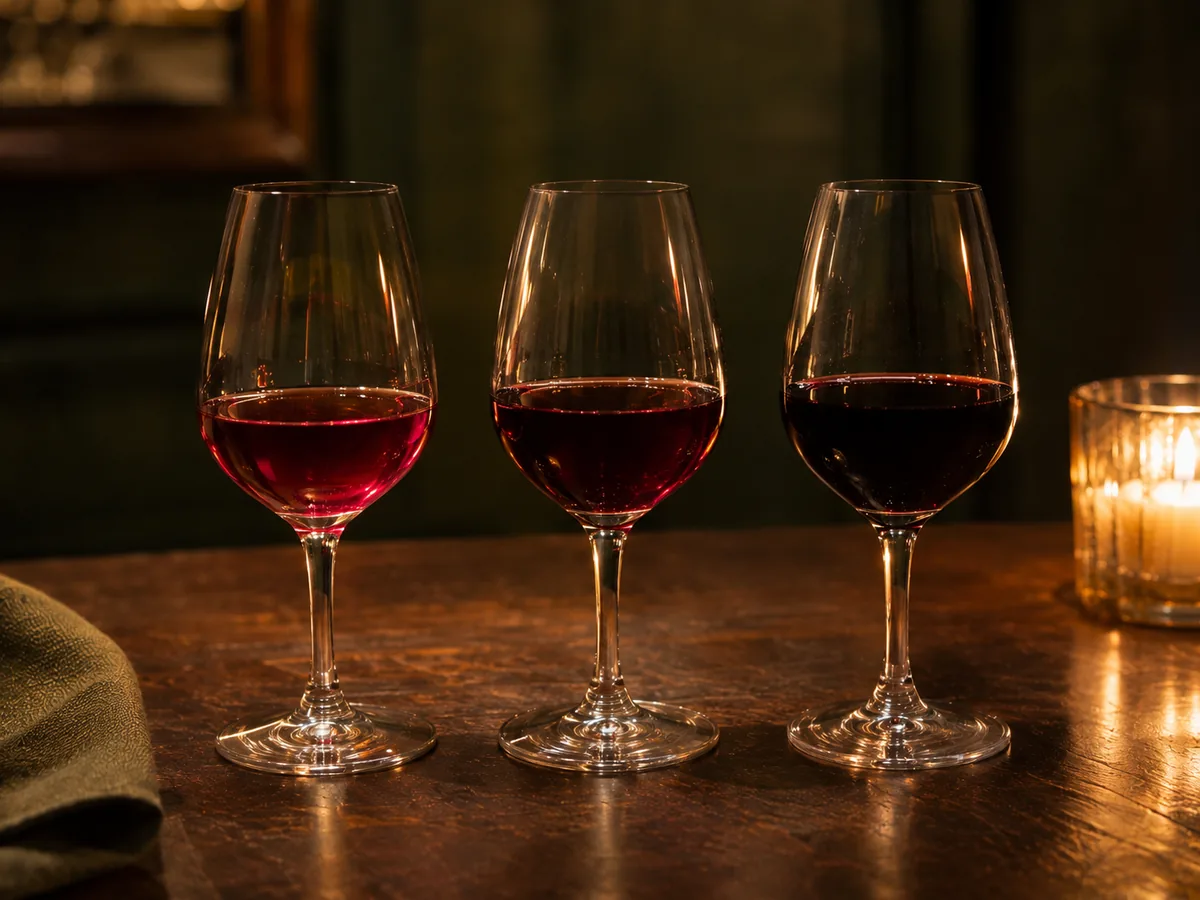
Quick answers
What does "dry" mean in red wine? The wine has little or no sugar left in it, because the yeast turned almost all the grape sugar into alcohol during fermentation.
Are most red wines dry? Yes. Pinot Noir, Merlot, Cabernet Sauvignon, Malbec, Syrah, Rioja and Chianti are all dry.
What's the best dry red wine for beginners? Start light and smooth: Pinot Noir, Beaujolais (Gamay) or Merlot. Move to bolder wines like Malbec and Cabernet Sauvignon when you're ready.
Why does a dry wine taste fruity? Fruit aromas come from the grapes and fermentation, not from sugar. A wine can smell like ripe cherries and still be completely dry.
Which red wines are sweet, then? Port, some Lambrusco and dessert-style reds. If a red isn't labeled as sweet or dessert wine, it's almost always dry.
What makes a red wine "dry"?
All wine starts as sweet grape juice. During fermentation, yeast eats the sugar and turns it into alcohol. When the yeast is allowed to finish, almost no sugar remains, and the wine is dry. If the winemaker stops fermentation early, for example by adding spirit as in port, sugar is left behind and the wine tastes sweet. You can read the full process in our guide to how wine is made.
Dry is not the same as tannic
The drying, grippy feeling some reds leave on your gums isn't about sugar at all. That's tannin, which comes from grape skins, seeds and oak. A wine can be dry and soft (like Pinot Noir) or dry and very grippy (like Cabernet Sauvignon). When people say they don't like "dry" wine, they often mean they don't like high tannin, which is easy to fix by picking a lighter style.
Dry red wines from light to bold
Body | Wine | Tastes like | Try it with |
|---|---|---|---|
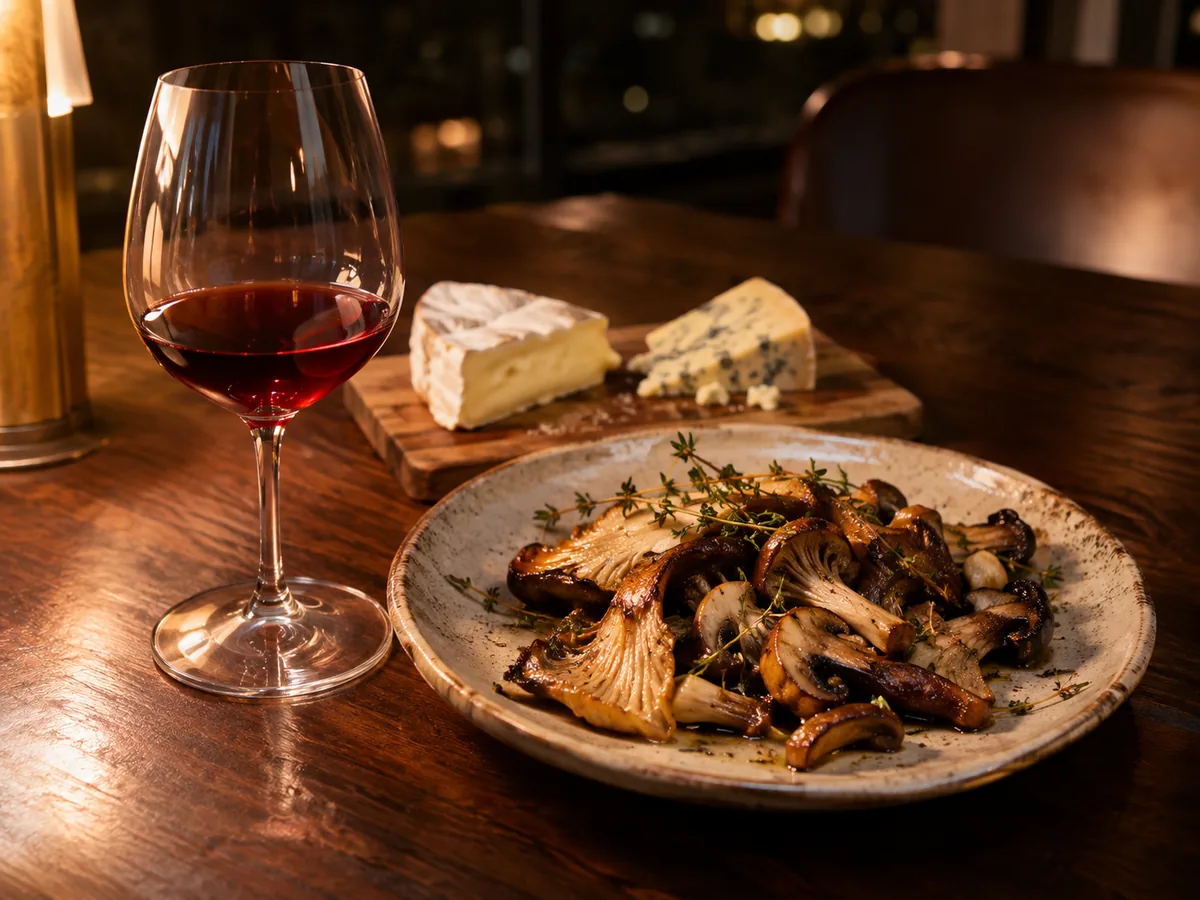
Light | Pinot Noir | Cherry, raspberry, earthy notes | Salmon, mushrooms, roast chicken |
Light | Gamay (Beaujolais) | Juicy red berries, very soft | Charcuterie, picnic food |
Medium | Grenache / Garnacha | Strawberry, spice, warm and round | Grilled vegetables, pork |
Medium | Sangiovese (Chianti) | Sour cherry, tomato leaf, herbs | Pizza, pasta with tomato sauce |
Medium | Merlot | Plum, chocolate, soft tannins | Burgers, roast beef |
Medium to full | Tempranillo (Rioja) | Cherry, plum, vanilla when oak-aged | Lamb, roasted vegetables |
Full | Malbec | Blackberry, plum, cocoa, velvety | Steak, barbecue |
Full | Syrah / Shiraz | Blackberry, black pepper, smoky | Grilled meats, stews |
Full | Cabernet Sauvignon | Blackcurrant, cedar, firm tannin | Ribeye, aged cheese |
Very full | Tannat | Dark fruit, very structured | Grilled red meat |
The best dry red wines for beginners
Start here: Pinot Noir and Beaujolais
Light, low in tannin and full of red fruit, these are the easiest dry reds to enjoy. Pinot Noir from Oregon, Burgundy or Germany, where it's called Spätburgunder, is a great first bottle. Beaujolais is even softer and is lovely slightly chilled.
Next: Merlot and Grenache
A step up in body, with ripe fruit and soft tannins. Merlot is famously smooth, which is why it's such a popular first red.
When you're ready for bold: Malbec and Cabernet
Malbec from Argentina is rich and velvety rather than harsh, making it the friendliest full-bodied red. Our guide to Uco Valley Malbec explains why. After that, try a Napa Cabernet Sauvignon, or, for something really structured, Uruguay's Tannat.
How to serve dry red wine
Temperature: slightly cooler than room temperature, about 60–65°F (15–18°C). Light reds like Beaujolais can go a little cooler. Fifteen minutes in the fridge helps a red that's too warm.
Glass: a glass with a wide bowl lets the aromas open up.
Let it breathe: big, young reds like Cabernet and Syrah often taste smoother after 20–30 minutes in the glass or a decanter.
Once opened: re-cork it and most dry reds keep for 3–5 days, longer in the fridge.
How to order dry red wine without the jargon
You don't need technical words. Tell your server or sommelier two things: whether you like it light and smooth or rich and bold, and what you're eating. "Something light and fruity to go with fish" or "something bold for the steak" is all they need. And remember that a high score on a bottle doesn't mean you'll love it; our guide to wine ratings explains why.
Nicole's dry red pick for beginners
I’d hand someone a glass of our Rafael Cambra “Soplo” Garnacha from Valencia, Spain. It’s juicy, full of ripe red fruit, with soft tannins and just the right amount of spice. I love this wine for beginners because it shows that a dry red can be incredibly approachable and delicious without being heavy or overly tannic.
At Tannin, more than 20 wines are poured by the glass, so it's easy to try a light red and a bold one side by side and find your style. Take a look at our menus.