A glass of wine may look simple, but getting it there takes a series of choices that begin in the vineyard and continue in the cellar. The basic idea is straightforward: harvest grapes, let yeast ferment their sugars, then shape and prepare the wine for bottling. The choices along the way help give each wine its character.
Quick answers
What turns grape juice into wine? Yeast fermentation. Yeast converts grape sugars into alcohol and carbon dioxide.
What's the main difference between red and white winemaking? Red wines usually ferment with their skins; white wines are generally pressed off the skins before fermentation.
Does all wine age in oak barrels? No. Wine can age in stainless steel, concrete, oak, or other vessels. I've even met a winemaker aging wine in marble!
Does every wine follow the same steps? No. Winemakers adjust the process to suit the grapes and the style they want.
It starts in the vineyard
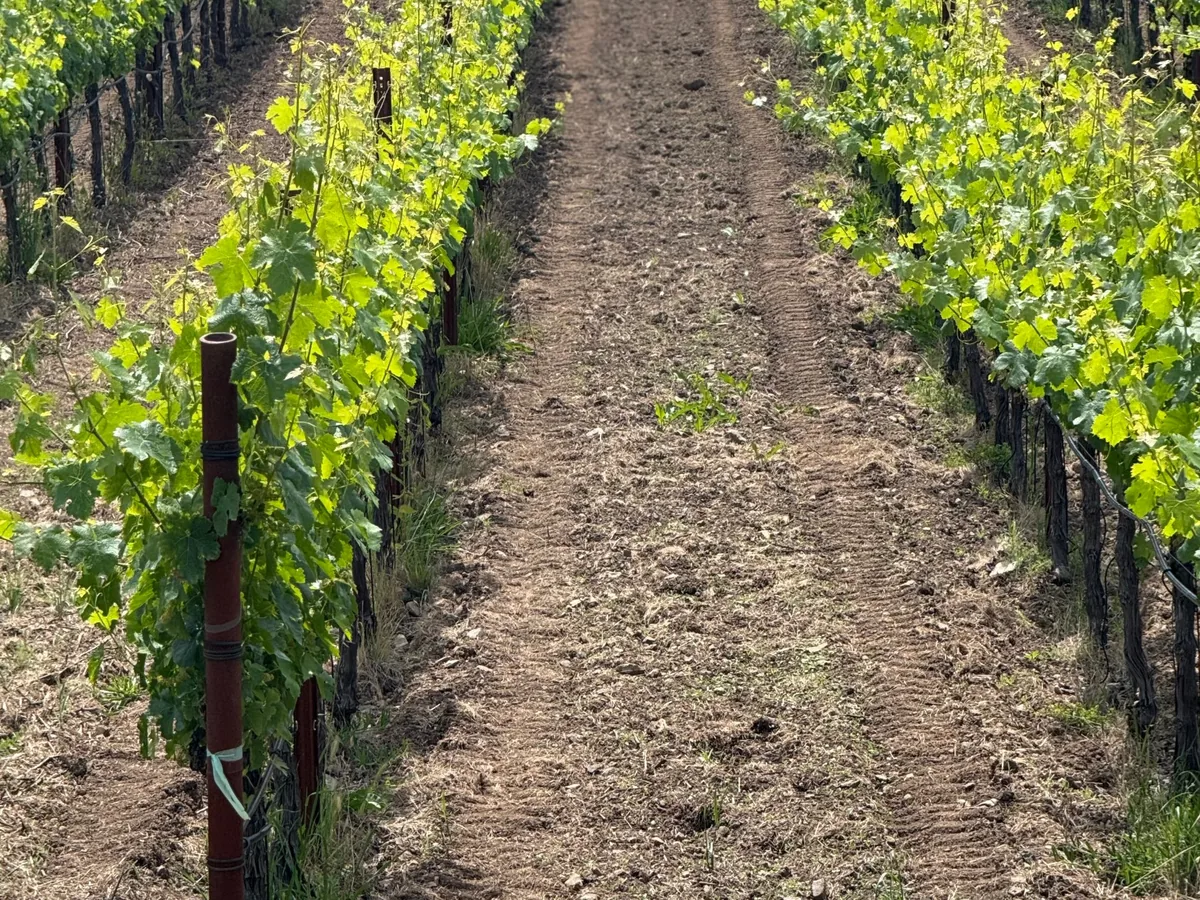
The first decisions happen before the grapes reach the winery. Growers watch the fruit as it develops, then choose when to harvest. Picking earlier or later can affect the grapes' sugar, acidity, and flavor.
Once harvested, the grapes are sorted and prepared. Some are destemmed and gently crushed; others may be handled with whole clusters. From there, the process depends on the wine the winemaker wants to make.
Fermentation: the transformation
Fermentation is the moment grape juice becomes wine. Yeast consumes the sugar in the grapes and produces alcohol and carbon dioxide. Winemakers monitor the process and manage conditions such as temperature to help guide the wine's development.
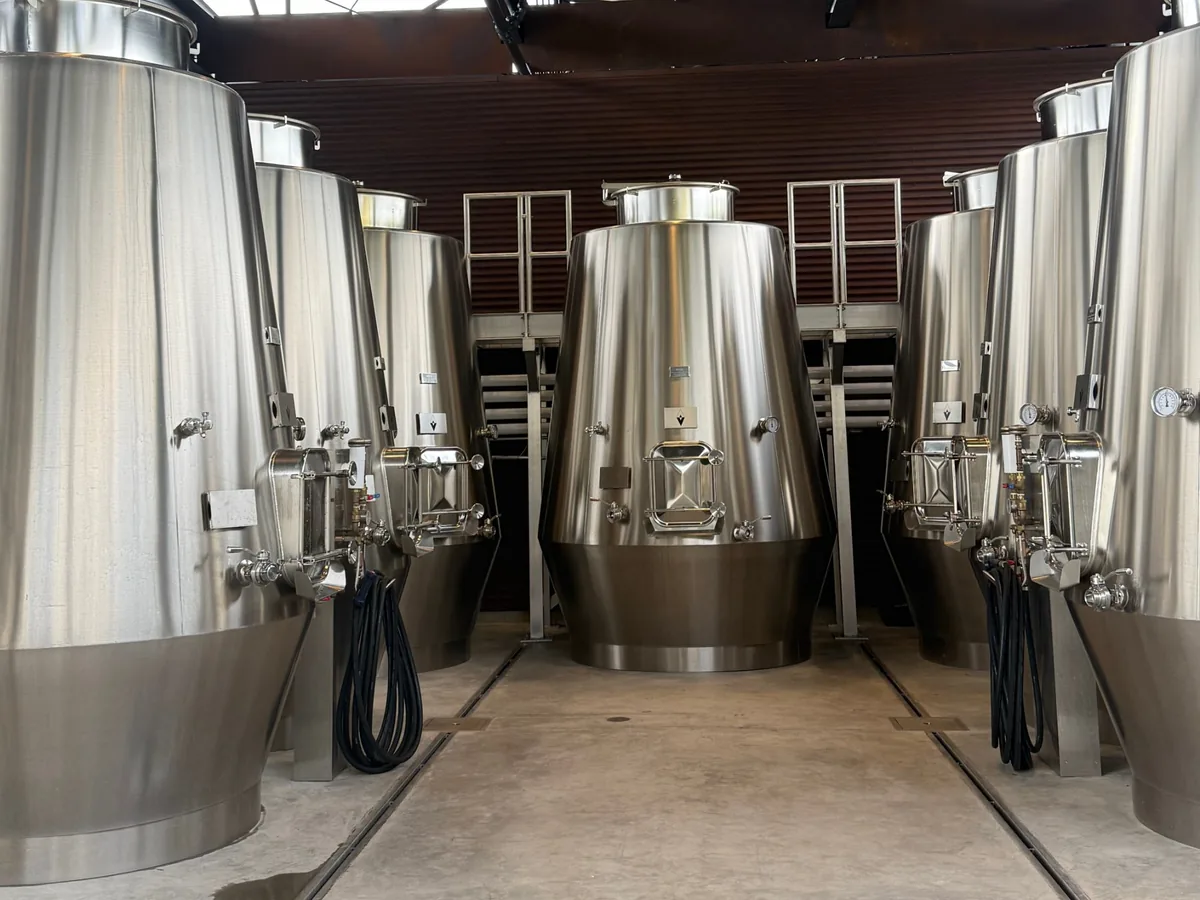
For red wine, the juice usually ferments in contact with the grape skins. The skins contribute much of the wine's color, along with tannin and flavor. Winemakers may move or mix the juice and skins during fermentation to influence how much they come together.
For most white wines, the grapes are pressed first, separating the juice from the skins before fermentation. Orange wine is the exception: white grapes fermented with their skins, like a red. Rosé can be made in several ways, often with a shorter period of skin contact than red wine. These are common approaches, with plenty of variations.
Pressing and time in the cellar
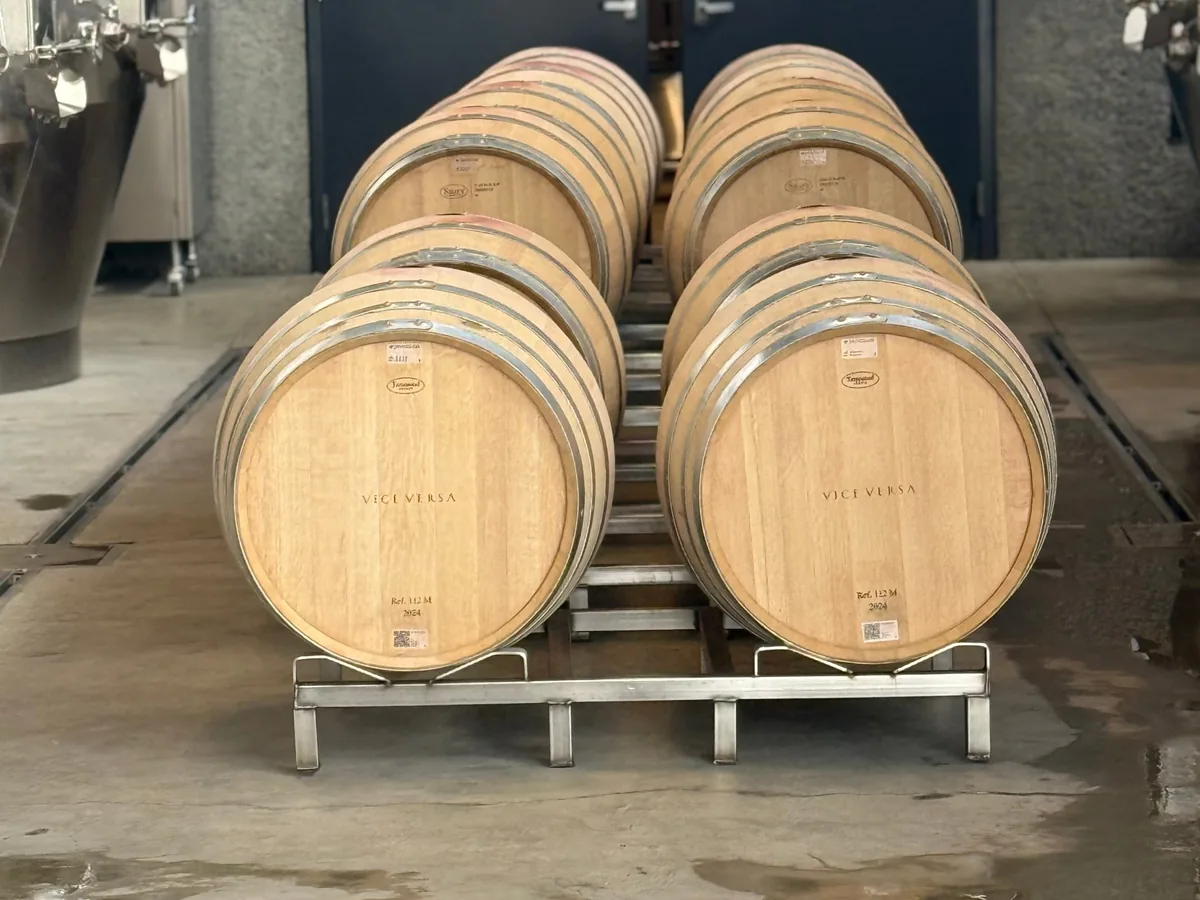
After fermentation, the wine is separated from the grape solids. Red wines that fermented with their skins are pressed to draw off the remaining wine. The wine may then rest in stainless steel, concrete, oak barrels, or a combination of vessels.
A vessel can influence the wine's texture and development. Oak may add flavors and structure, while stainless steel preserves a fresher, more fruit-forward style. Some wines undergo malolactic fermentation, a separate process that can soften acidity. It is a choice, not a required step for every wine.
Getting ready for the bottle
Before bottling, a winemaker may blend wines, clarify or filter them, and make sure they are stable. Some wines spend additional time aging in bottle before release. The schedule can range from a few months to several years, depending on the style.
Many choices, one glass
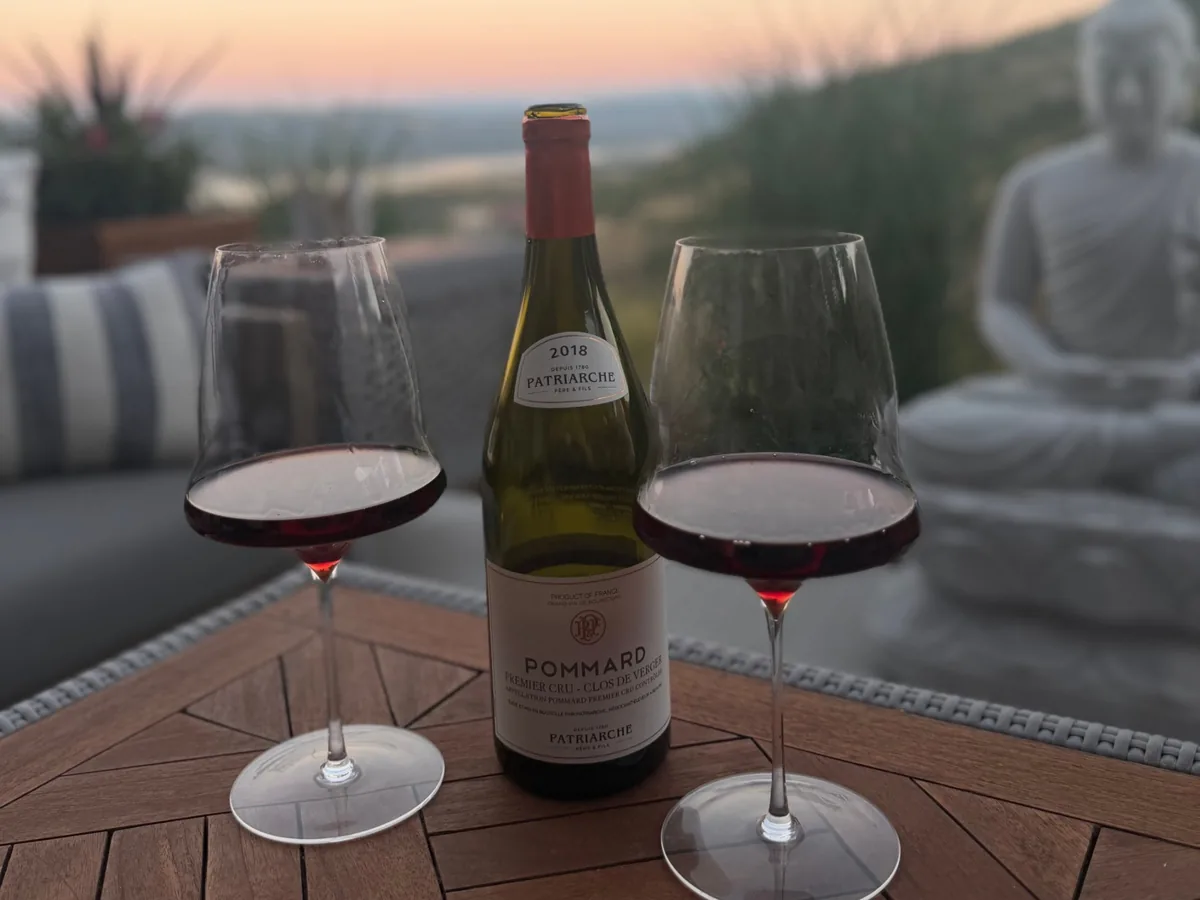
There isn't one recipe for making wine. The grape variety, vineyard, harvest date, fermentation, vessel, and time all play a part. That's why two wines made from the same grape can taste so different.
This is one of the reasons I love wine: each vintage is its own expression. Weather and other environmental conditions shift from year to year, and the winemaker responds to what the grapes bring in. A winemaker is part scientist, observing, measuring, and making decisions throughout the process, and part storyteller, shaping those choices into a wine that reflects the vintage.
The next time you pour a glass, think about the path it took to get there. And if you're curious about a wine on our list, ask us what happened between the vineyard and the bottle. Take a look at our menus too.