A bottle with a few decades behind it has a certain magic. But does age automatically make wine better? Not at all. Some wines are made to be enjoyed young, while others have the balance and structure to evolve in the bottle. And in the end, "better" depends on what you enjoy.
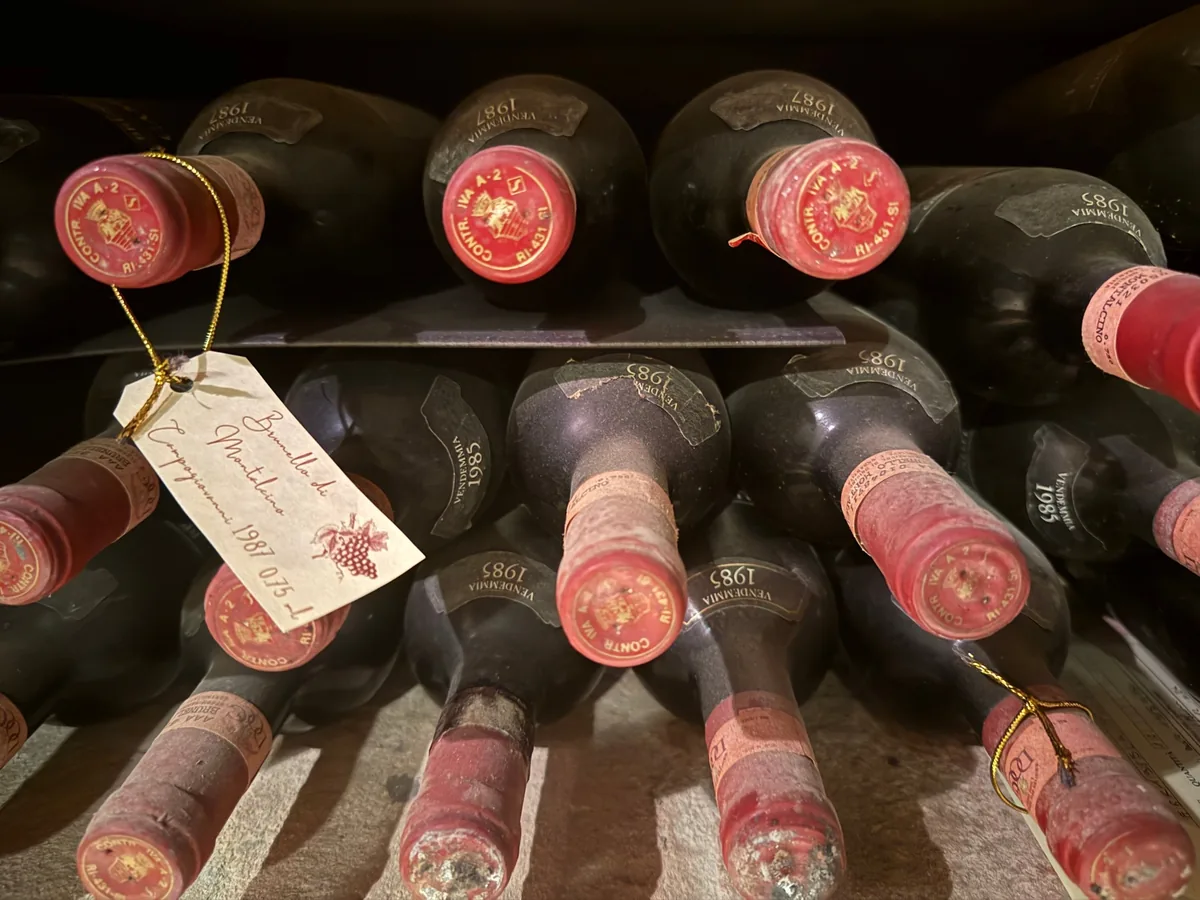
Quick answers
Does wine always improve with age? Not always. Most wine nowadays is made to be enjoyed young.
What changes as wine ages? Fresh fruit aromas and flavors can soften, while more developed notes may emerge.
What makes a wine age-worthy? Balance, structure, concentration, and the right storage conditions.
Is older wine always more expensive or special? No. Age alone doesn't tell you whether a wine is at its best.
What time can do
In a young wine, you may notice fresh fruit and bright, direct flavors. With bottle age, those aromas can shift and become more layered. Depending on the wine, you might find notes of dried fruit, earth, leather, nuts, or spice. Tannins in some reds may also feel softer with time.
That evolution is part of what makes opening an older bottle so exciting. It can show you a different side of a grape, a place, and a vintage.
Taste time side by side
A vertical tasting is a chance to compare the same wine from the same producer across different vintages. For example, you might taste the producer's 2010, 2015, and 2020 releases side by side. It helps you notice how the wine changes with bottle age, how different growing seasons show up in the glass, and which stage of development you enjoy most. The winemaker's choices can change from year to year, too, so the tasting offers a glimpse of how both the vintage and the wine's evolution shape what's in your glass.
Not every wine is meant to wait
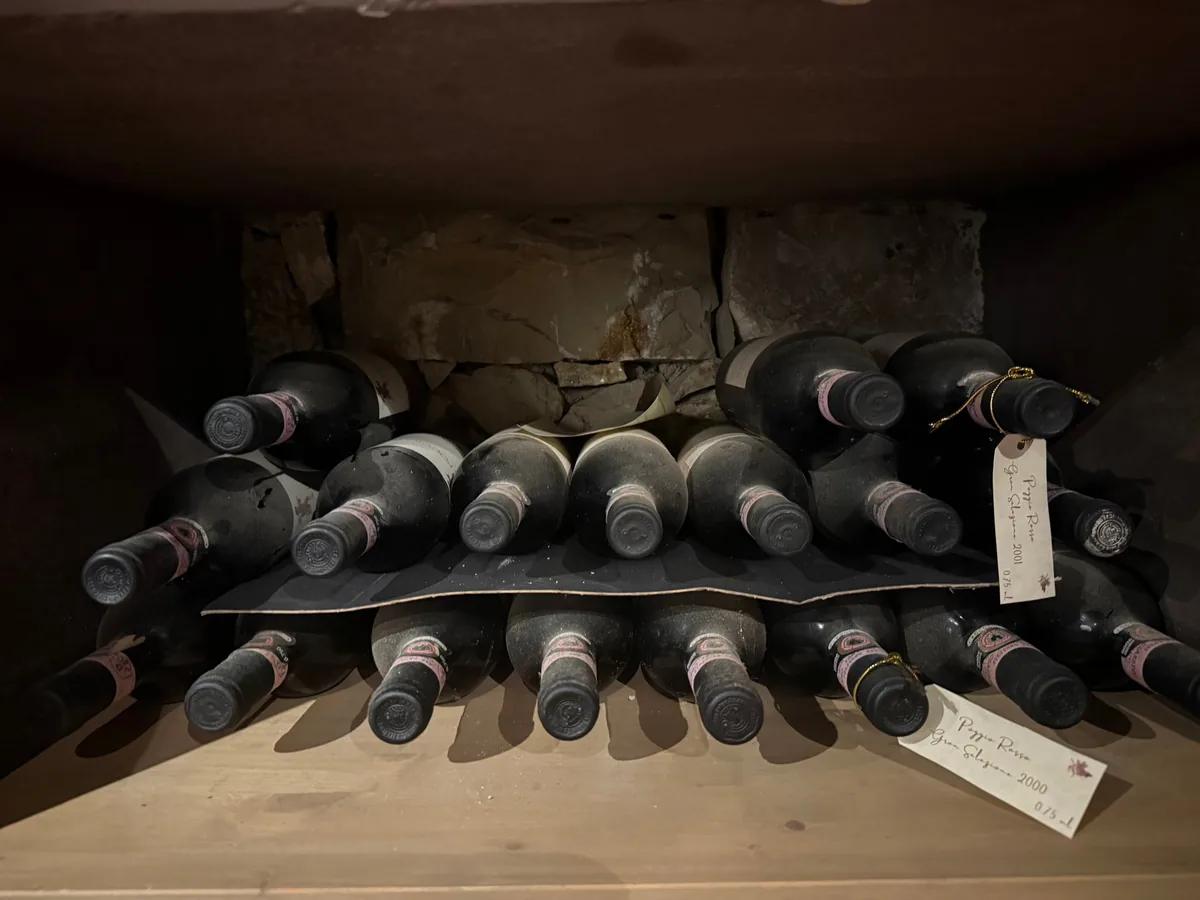
Most wines are made for drinking while they're young and fresh. Their appeal may be in the bright fruit and lively character they offer now. Holding onto every bottle doesn't make it better. A wine can reach its ideal moment, stay there for a while, and then gradually lose freshness and complexity.
Wines with the potential to age often have a strong balance of fruit and structure. Tannin and acidity can help some reds develop, while acidity can also support the aging of certain whites. But there's no simple rule based only on grape variety, price, or color.
Storage matters
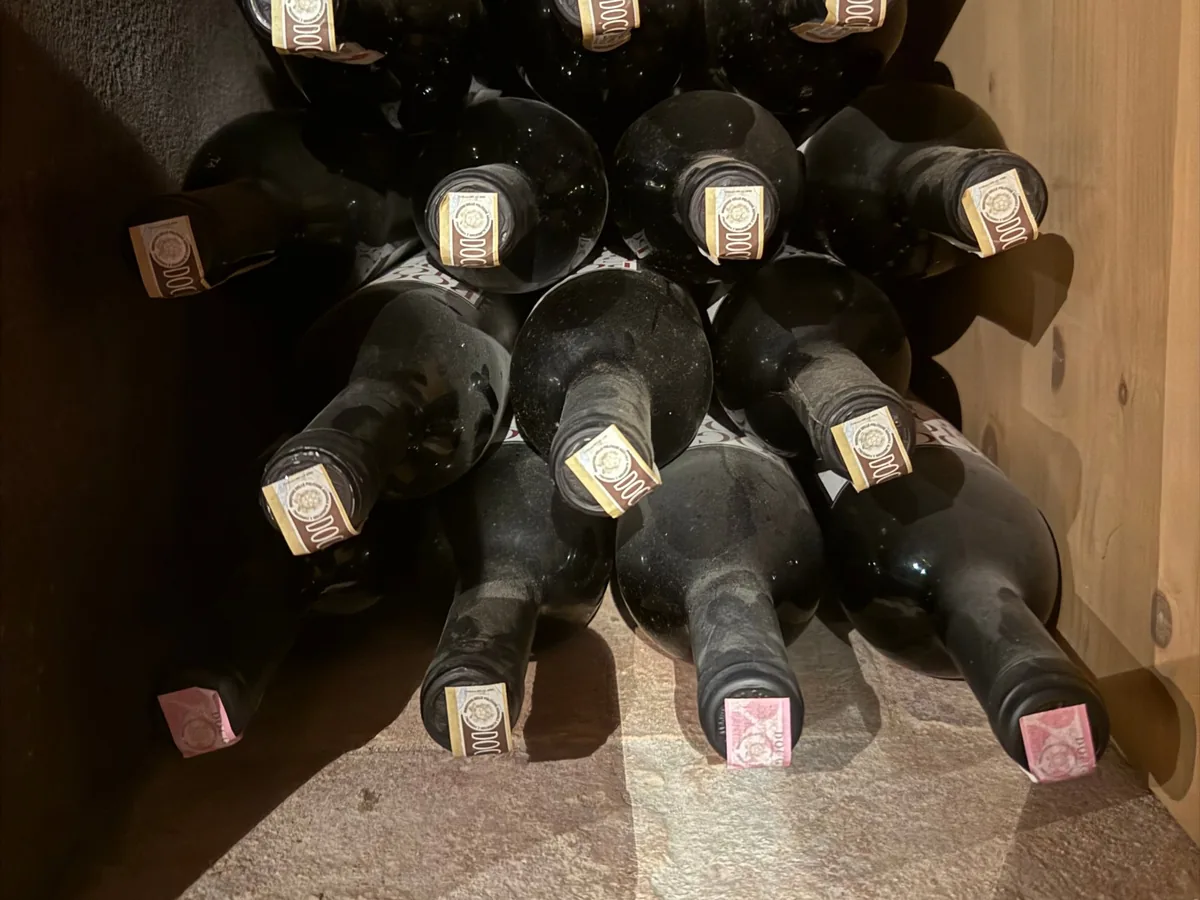
Even a wine with aging potential needs the right conditions. Heat, light, and big temperature swings can push a wine past its best more quickly. A cool, dark place with a steady temperature gives a bottle a better chance to develop as intended. And if you're buying a mature bottle, its storage history matters as much as its age. It's one reason a well-documented bottle like the record-setting 1945 Romanée-Conti is so prized.
So, which is better?
If you love fresh fruit and energy, a younger wine may be exactly what you want. If you enjoy subtle, savory, more layered flavors, you may prefer a mature bottle. Neither is the right answer for everyone.
For me, part of the pleasure of wine is seeing how it changes over time. A vintage on the label is more than a number. It marks the growing season and the beginning of a journey in the bottle.
Curious how age shows up in the glass? Ask us about the older vintages on our list, and we'll help you find one to explore. Take a look at our menus too.