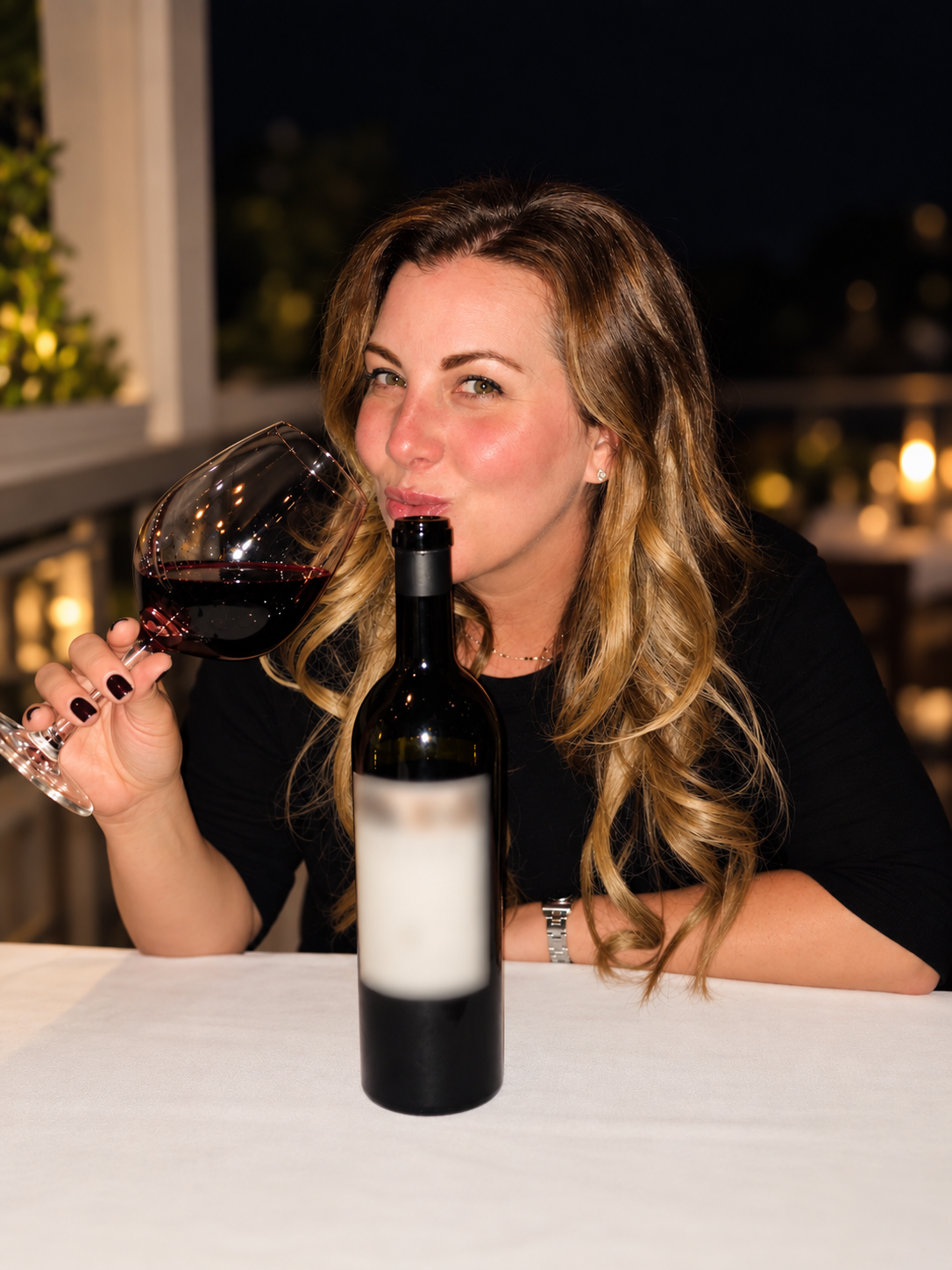
Napa Valley Cabernet Sauvignon is one of the world's most recognizable wines and one of my favorite varietals. Its story includes a grape that had taken root in the valley long before 1976, generations of vintners, and one now-famous blind tasting in Paris. That tasting brought Napa international attention and helped set the stage for its rise.
Quick answers
What put Napa Cabernet on the map? The 1976 Judgment of Paris, where a Napa Cabernet placed first among the red wines.
Which wine won? The 1973 Cabernet Sauvignon from Stag's Leap Wine Cellars.
Did a Napa winery win the white wine tasting, too? Yes. Chateau Montelena's 1973 Chardonnay placed first among the whites.
What does Napa Cabernet taste like? It varies by vineyard and producer, but often combines dark fruit, structure, and a generous feel.
A blind tasting that made history
On May 24, 1976, British wine merchant Steven Spurrier organized a blind tasting in Paris. French judges tasted 12 California wines, six Chardonnays and six Cabernet Sauvignons, alongside celebrated French wines from Burgundy and Bordeaux. The results surprised the room: Stag's Leap Wine Cellars' 1973 Cabernet Sauvignon took the top spot among the reds, while Chateau Montelena's 1973 Chardonnay led the whites. Both wineries are in Napa Valley.
The result traveled far beyond the tasting room. It challenged the widely held belief that only France could produce premium wine and brought international acclaim to Napa and the winning wineries. The tasting became known as the Judgment of Paris.
Napa's Cabernet story started earlier
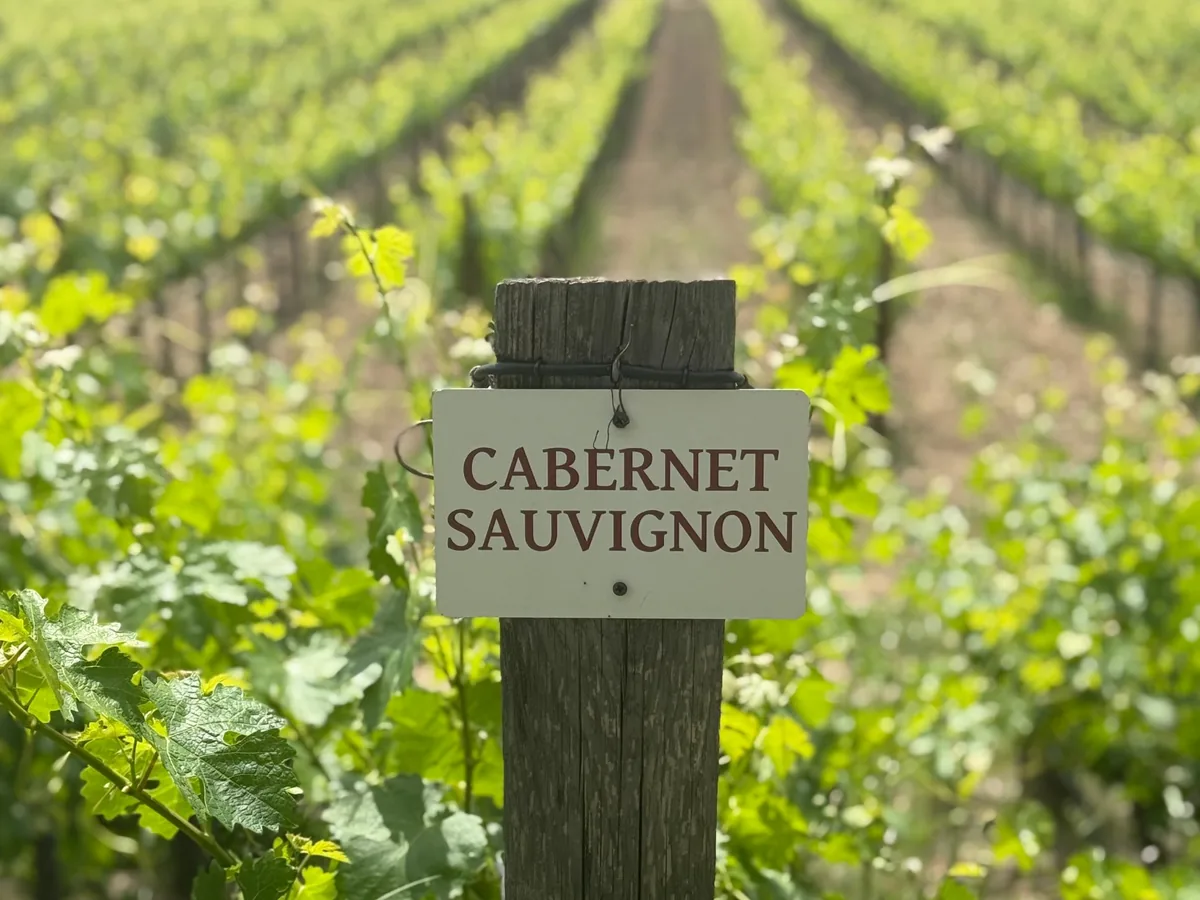
Cabernet Sauvignon was growing in Napa long before the Paris tasting. By the 1880s, it was already planted in the valley, including at Gustave Niebaum's Inglenook. Prohibition later devastated the region's vineyards and wineries, and Napa had to rebuild.
Vintners including Louis M. Martini, Charles Krug, Inglenook, and Beaulieu Vineyard helped rebuild the region's reputation for Cabernet. The 1976 tasting accelerated that momentum and gave Napa's wines a far wider audience.
So, what's in the glass?
Many Napa Cabernets offer dark fruit, such as currant, cherry, or plum, with firm tannins and concentration. Some feel polished and generous; others show more freshness, earth, or savory character. The details depend on where the grapes grow and how the wine is made.
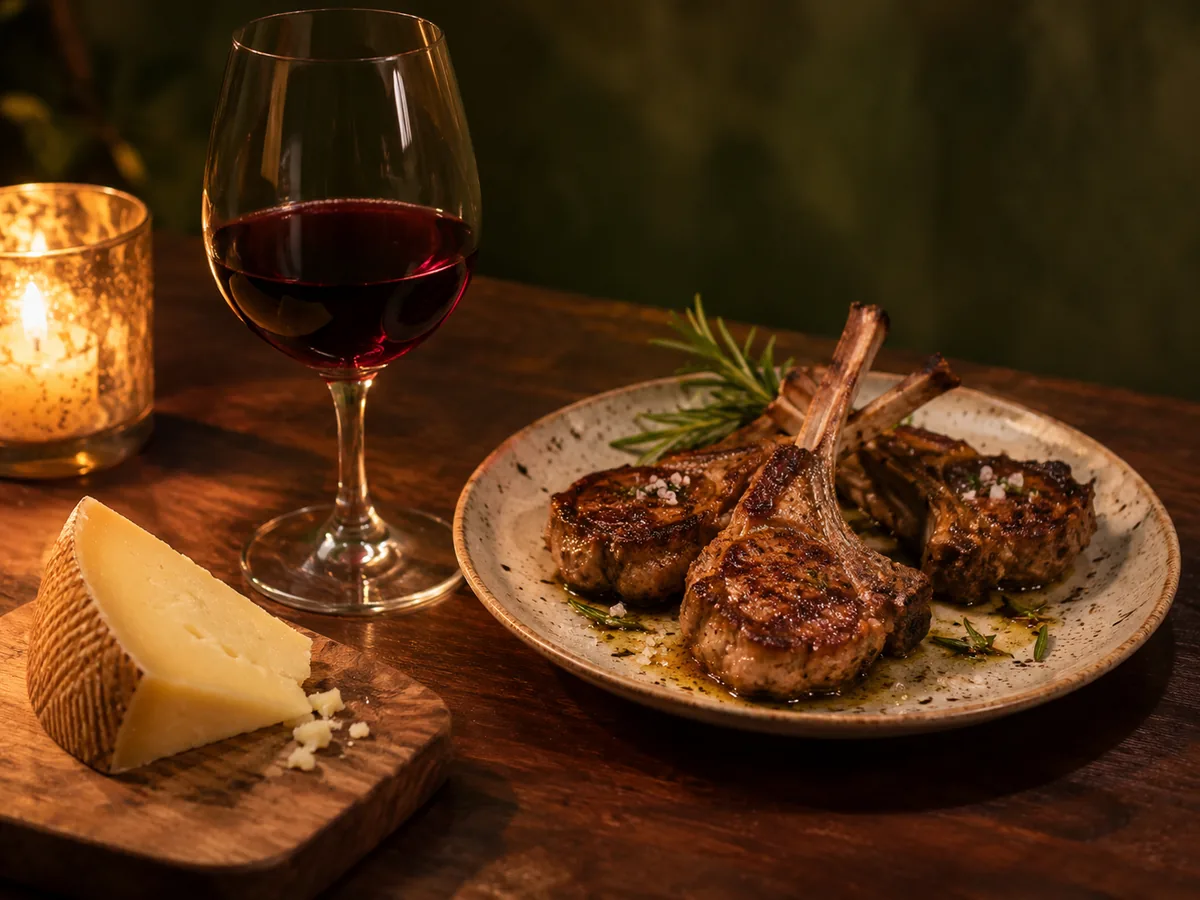
That structure makes Cabernet a natural match for grilled or roasted meats, aged cheeses, and dishes with deep, savory flavors. On the Tannin Bar menu, try it with our hanger steak or the Tannin Board. Give it a little time in the glass, and notice how the fruit, tannins, and finish come together.
A bottle with a story
The next time you pour Napa Cabernet, the Judgment of Paris is a fun piece of context. It's a reminder that a wine region's reputation can change when people taste with an open mind. Napa's fame grew from a historic moment, then continued to grow one vineyard and one vintage at a time.
Tell us what you like in a Cabernet, and we'll help you find a glass to explore. Take a look at our menus too.