Port is one of the world's great winter wines: rich, sweet and warming, made for long dinners, cheese boards and snowy evenings. It can also be confusing, with ruby, tawny, LBV, vintage and white all on the same shelf. This guide explains what port wine is, how it's made, the main styles and how to serve and pair it.
Quick answers
What is port wine? A sweet, fortified wine from the Douro Valley in northern Portugal. Grape spirit is added during fermentation, which stops it early and keeps the wine naturally sweet.
How strong is port? Usually 19–22% alcohol, compared with 12–15% for most table wines, so it's served in small pours.
What's the difference between ruby and tawny port? Ruby is aged briefly and tastes of fresh dark fruit. Tawny is aged for years in wooden casks and tastes of caramel, nuts and dried fruit.
Should port be chilled? Ruby and vintage port are best just below room temperature. Tawny is lovely slightly chilled, and white port is served cold.
How long does port last once opened? Vintage port is best within a day or two. Ruby and LBV keep for a few weeks, and tawny for a month or more, if you re-cork it and keep it cool.
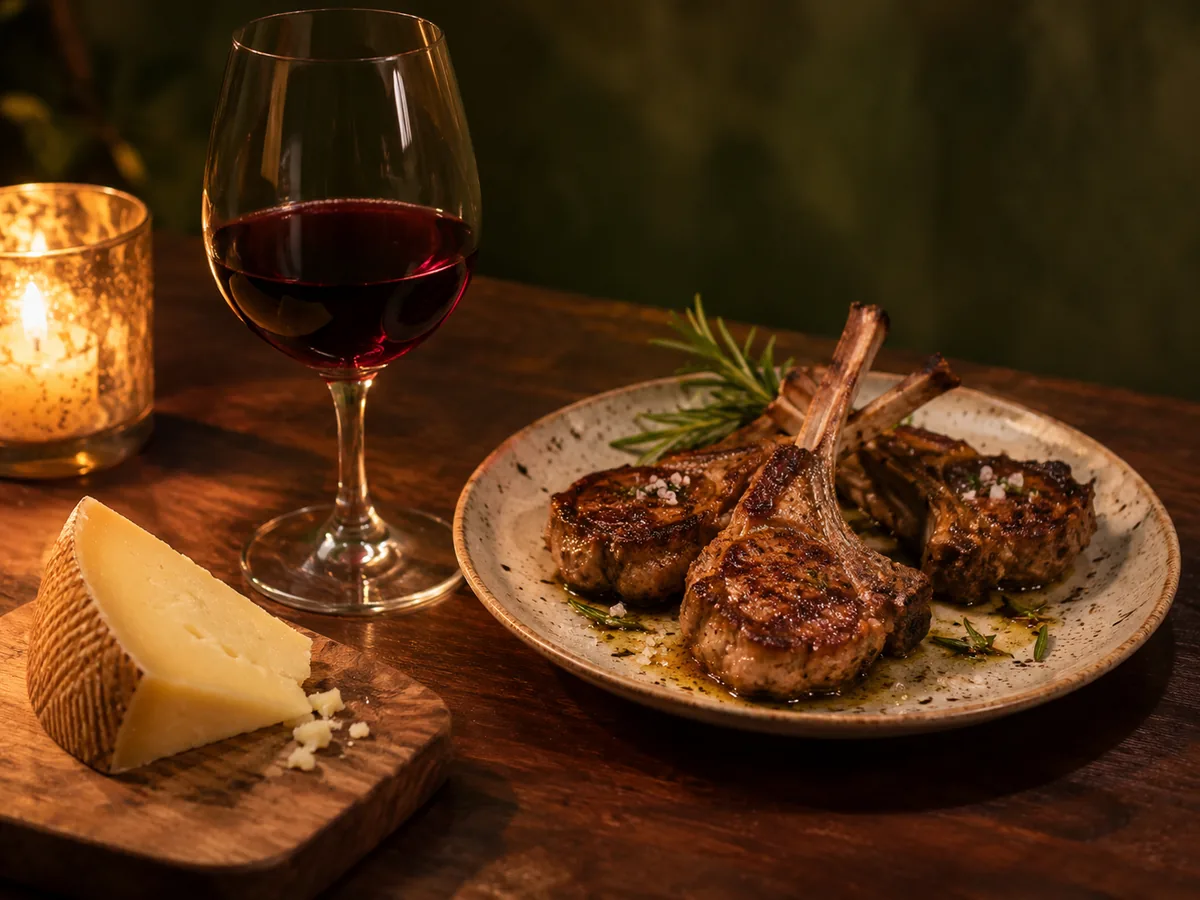
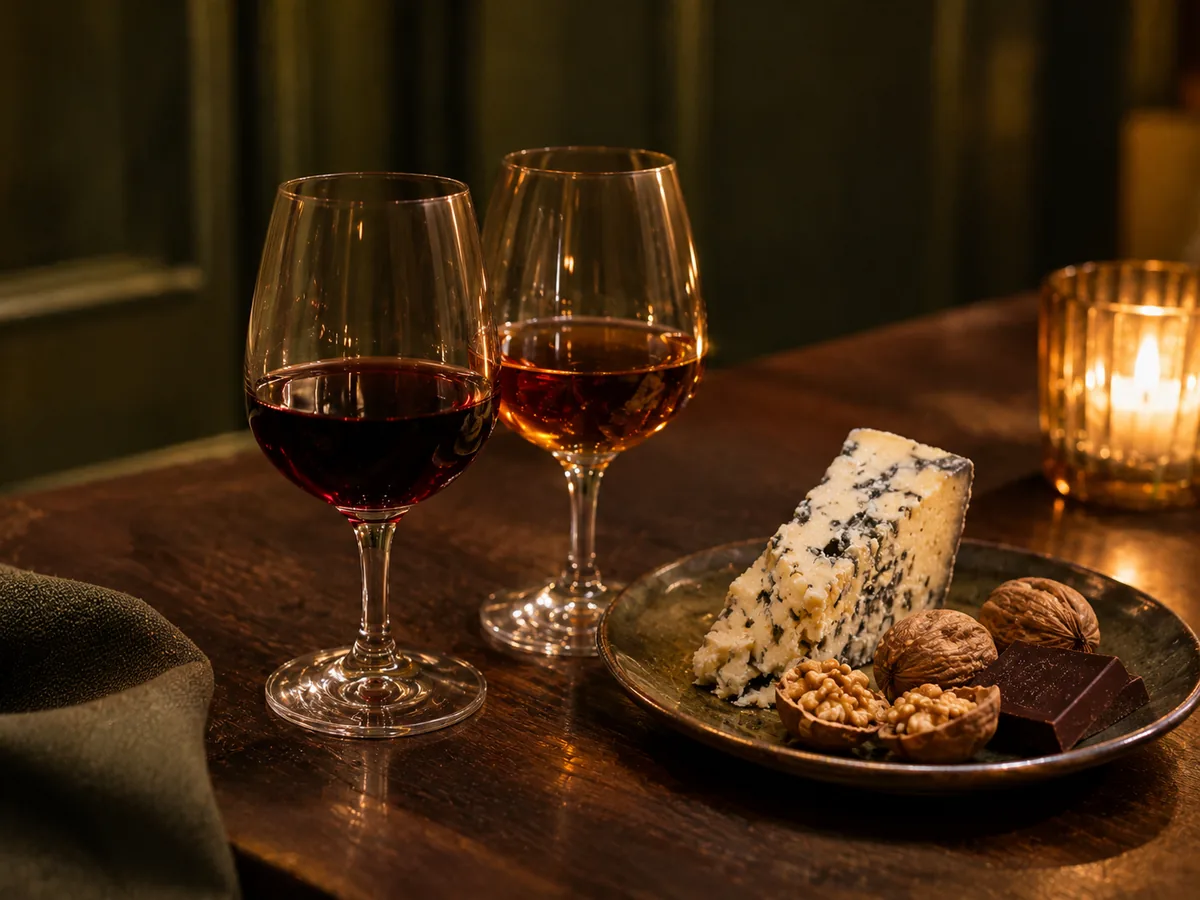
What goes with port? Blue cheese (especially Stilton), dark chocolate, walnuts and caramel desserts.
Where port comes from
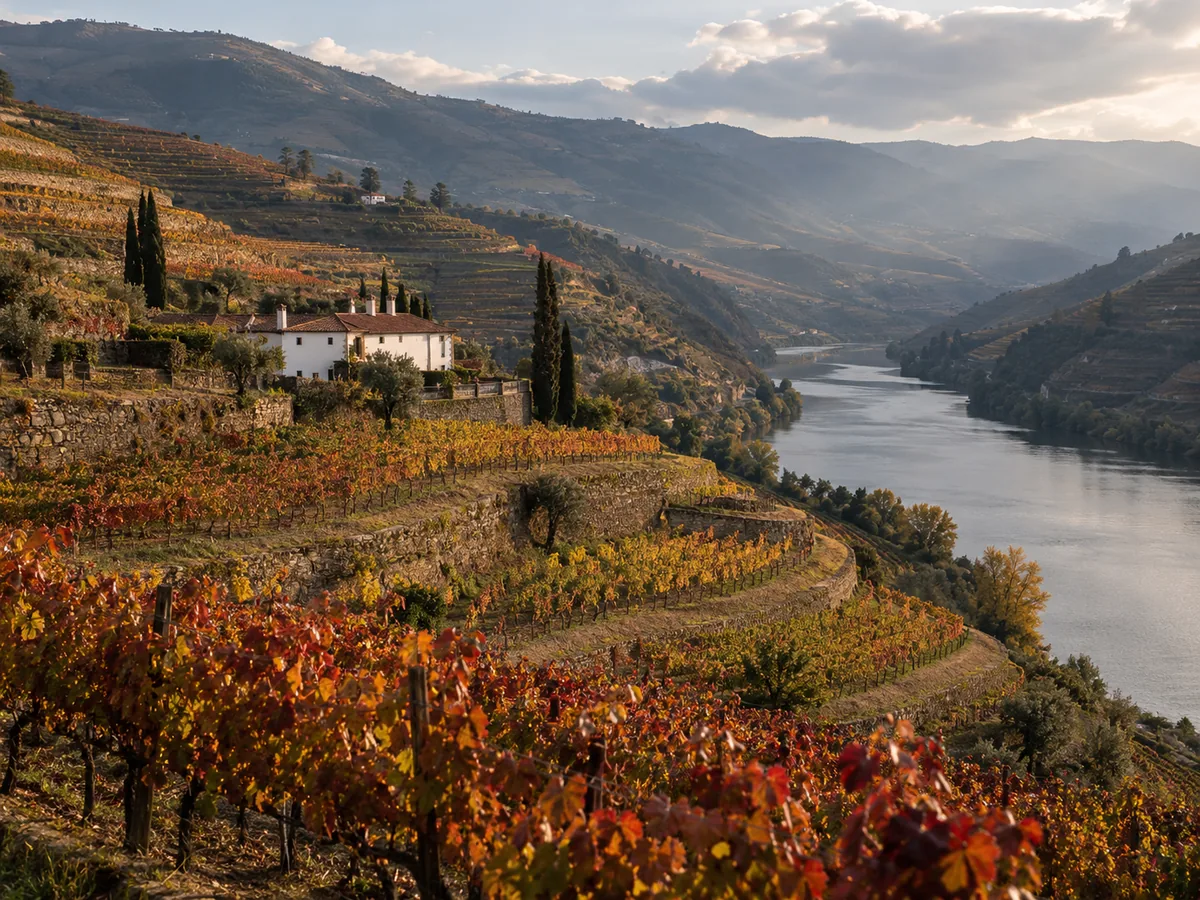
Port is made in the Douro Valley, one of the oldest protected wine regions in the world, where vineyards are planted on steep terraces above the Douro River. Traditionally the young wine was shipped downriver to Vila Nova de Gaia, across from the city of Porto, to age in the port houses' cellars, which is how the wine got its name. In Europe, only wine from this region can be called port.
Port is a blend of local grapes. The best known are Touriga Nacional, Touriga Franca, Tinta Roriz (the Portuguese name for Tempranillo), Tinta Barroca and Tinto Cão.
How port is made
Port starts like any red wine: the grapes are crushed, and in some estates still trodden by foot in shallow stone tanks called lagares. The difference comes partway through fermentation. While there's still plenty of natural grape sugar left, the winemaker adds a neutral grape spirit. The extra alcohol stops the yeast, so the wine stays sweet, rich and strong. Then it's aged, and how and how long it ages decides the style. For the basics of fermentation, see our guide to how wine is made.
Types of port wine
Style | How it's aged | Tastes like | Best with |
|---|---|---|---|
Ruby | 2–3 years, mostly in large tanks or casks | Fresh blackberry, cherry, plum | Chocolate, berry desserts |
Reserve ruby | A little longer, from better wines | Riper, deeper fruit | Dark chocolate, aged cheddar |
Late Bottled Vintage (LBV) | A single year, 4–6 years in wood before bottling | Rich dark fruit, some spice | Blue cheese, chocolate cake |
Vintage port | A declared top year, about 2 years in wood, then decades in bottle | Intense, powerful, complex with age | Stilton, walnuts, a special occasion |
Tawny (10, 20, 30, 40 year) | Years in small casks; the age is an average of the blend | Caramel, toffee, hazelnut, dried fig | Crème brûlée, pecan pie, nuts |
Colheita | A tawny from a single year, at least 7 years in wood | Like tawny, with a vintage character | Caramel desserts, hard cheese |
White port | Made from white grapes, dry to sweet | Citrus, almond, honey | As an aperitif with tonic |
Rosé port | Made briefly on the skins, like a rosé | Strawberry, raspberry | Chilled, or in cocktails |
Ruby vs tawny: the big divide
Almost every port falls into one of two families. Ruby ports are aged with little contact with air, so they keep their deep color and fresh, fruity taste. Tawny ports spend years in small wooden casks, slowly taking in a little oxygen. They turn amber-brown, and the fruit softens into flavors of nuts, toffee and dried fruit. Neither is better; they're simply different moods. Ruby is bold and fruity, tawny is mellow and nutty.
Vintage port: the collector's port
Vintage port is only made in the best years, when a port house "declares" a vintage, often just a few times a decade. It's bottled young and unfiltered, then left to age for decades in the bottle, where it becomes more complex and develops sediment. It's a classic example of a wine that really gets better with age. Older vintage port should be stood upright for a day and decanted before serving.
How to serve port
Temperature: ruby, LBV and vintage port at about 60–64°F (16–18°C), just below room temperature. Tawny at about 54–60°F (12–16°C). White and rosé port well chilled.
Glass: a small wine glass works better than a tiny cordial glass. It gives the aromas room to open up.
Pour: because port is stronger than table wine, a serving is about 2–3 oz (60–90 ml), smaller than a standard glass of wine.
Decanting: only needed for vintage port and unfiltered LBV, to separate the wine from its sediment.
Tradition: in Britain, the decanter is passed to the left around the table. It's a fun ritual for a holiday dinner.
Port wine pairings
The classic pairing is port and Stilton: the salty, creamy blue cheese and the sweet, rich wine balance each other perfectly. Ruby and vintage port also love dark chocolate, chocolate cake and berry desserts. Tawny shines with anything caramel, nutty or toasty: crème brûlée, pecan pie, roasted nuts and aged hard cheeses. White port with tonic water, ice and a slice of orange is a refreshing aperitif popular in Portugal. Port is also a favorite at Christmas; see our guide to the best wine for Christmas dinner.
How long does port last after opening?
Port lasts longer than most wines once opened, thanks to its sugar and higher alcohol. Re-cork it and keep it somewhere cool and dark.
Vintage port: best within 1–2 days.
Ruby, reserve and LBV: about 2–4 weeks.
Tawny and colheita: about 1–2 months, since they're already used to a little air.
White and rosé port: about 1–2 weeks in the fridge.
Is American "port" real port?
Under the US–EU wine agreement of 2006, new American wines can't be labeled "port." Some US producers who used the name before then are allowed to keep it, which is why you'll still see "California port" on some shelves. These can be very good fortified wines, but true port comes only from Portugal's Douro Valley.
Our port pick
I love a good Tawny Port, and Taylor Fladgate’s 10 Year Old Tawny is one of my favorites. I love the caramel, toasted nuts and dried fruit notes, especially paired with a good blue cheese or a little dark chocolate. Give me a glass of Tawny and a fireplace on a snowy Park City night, and I’m pretty happy.
New to sweet and fortified wines? Ask our team which style suits you, and take a look at our menus.