Champagne, Prosecco and Cava are all sparkling wines, but they come from different countries, different grapes and different ways of making the bubbles. That's why they taste so different, and why the prices are so far apart. Here's how to tell them apart and which one to pour for New Year's Eve.
Quick answers
What's the main difference? Champagne is from France, Prosecco from Italy and Cava from Spain, and each uses its own grapes and method.
Is Prosecco just cheap Champagne? No. It's made a different way, in large tanks, which keeps it fresh and fruity rather than toasty.
Is Cava made like Champagne? Yes. Cava uses the same traditional method, with the second fermentation in the bottle, but with Spanish grapes.
Which is sweetest? It depends on the label. Many Proseccos are "Extra Dry," which is actually a little sweeter than "Brut."
Which is best for New Year's Eve? Champagne for the toast, Prosecco for a crowd, Cava for great value.

Champagne, Prosecco and Cava at a glance
Champagne | Prosecco | Cava | |
|---|---|---|---|
Where it's from | Champagne, France | Northeast Italy (Veneto and Friuli) | Spain, mostly Catalonia |
Main grapes | Chardonnay, Pinot Noir, Meunier | Glera | Macabeo, Xarel·lo, Parellada |
How the bubbles are made | Second fermentation in the bottle | Second fermentation in a large tank | Second fermentation in the bottle |
Typical flavors | Citrus, apple, toast, brioche | Green apple, pear, white flowers | Citrus, green apple, almond |
Bubbles | Fine and persistent | Lighter and frothier | Fine |
Price | Highest | Lowest | In between, often great value |
Champagne: the classic
Champagne can only come from the Champagne region of France. It gets its bubbles from a second fermentation inside each bottle, followed by time aging on the spent yeast. That aging is what gives Champagne its toast and brioche notes and its fine, lasting bubbles. It's also why it costs more: the process is slow and done bottle by bottle. New to Champagne? Start with our guide to Champagne for beginners.
Prosecco: fresh and fruity
Prosecco is made mostly from the Glera grape in northeast Italy. Its second fermentation happens in large pressurized tanks rather than in each bottle. That faster method keeps the wine bright, fruity and floral, with lighter bubbles, and it's meant to be enjoyed young. Look for "Conegliano Valdobbiadene" on the label for Prosecco from its classic hillside heartland.
Cava: Champagne's method, Spanish grapes
Cava is made the same way as Champagne, with the second fermentation in the bottle, but from Spanish grapes, mostly in Catalonia. The result is crisp and often a little earthy or nutty, with fine bubbles. Because Spain's costs are lower, a good Cava often tastes like more than it costs.
What to eat with each
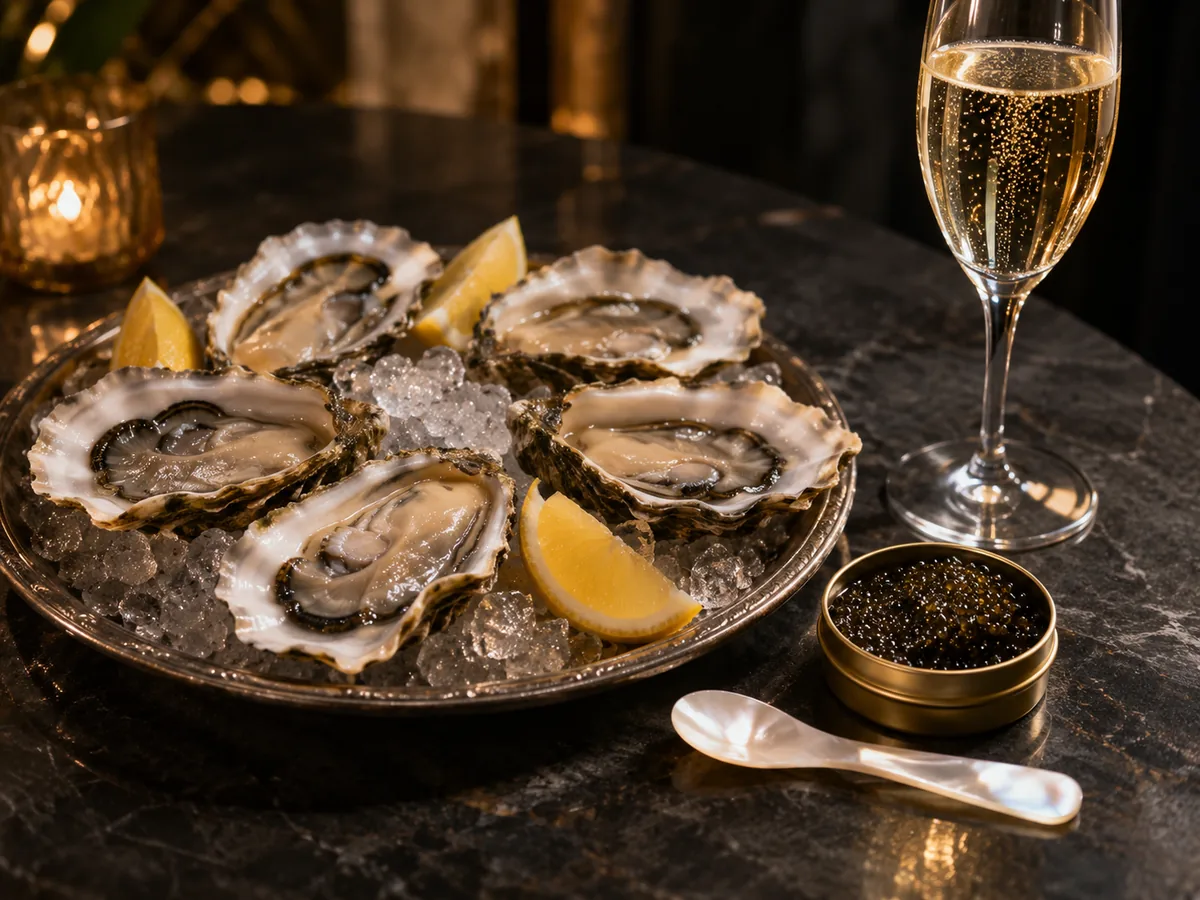
Champagne: oysters, caviar, fried foods and anything salty. At Tannin, try it with oysters on the half shell or our caviar service.
Prosecco: light appetizers, fruit, or on its own as an aperitivo.
Cava: tapas, cured ham, olives and salty snacks.
Sparkling wine is also one of the most flexible wines at the table. It's one of our top picks for Thanksgiving dinner too.
Which one for New Year's Eve?
For the midnight toast: Champagne, when the moment calls for it.
For a big party: Prosecco is light, fruity and easy on the budget.
For the best value: Cava gives you the Champagne method for less.
As a Champagne drinker, I’m reaching for Champagne at midnight. Its fine bubbles and unmistakable elegance make the first sip of a new year feel special.
Not sure which style you like best? Come see us at Studio Crossing, tell us what you usually enjoy and we'll pour you something to compare. Take a look at our menus too.