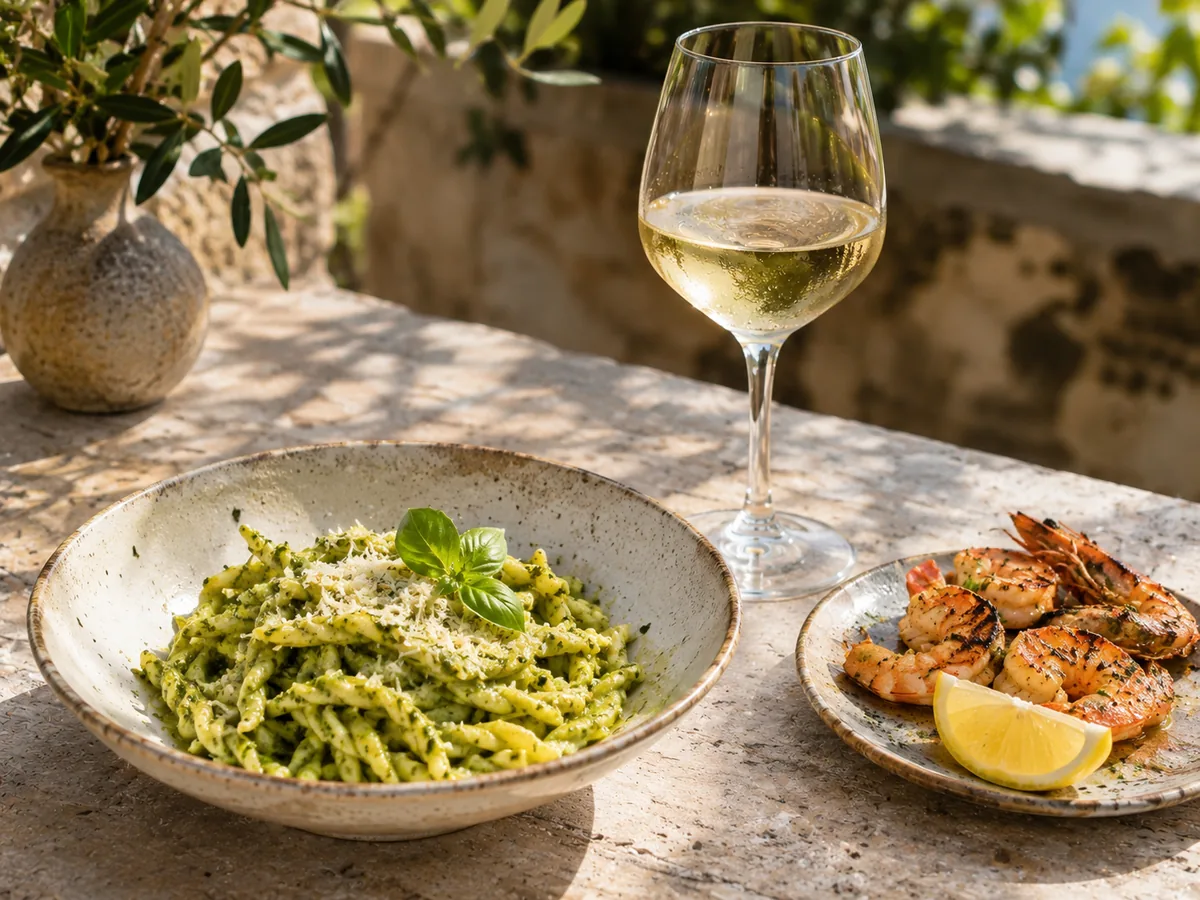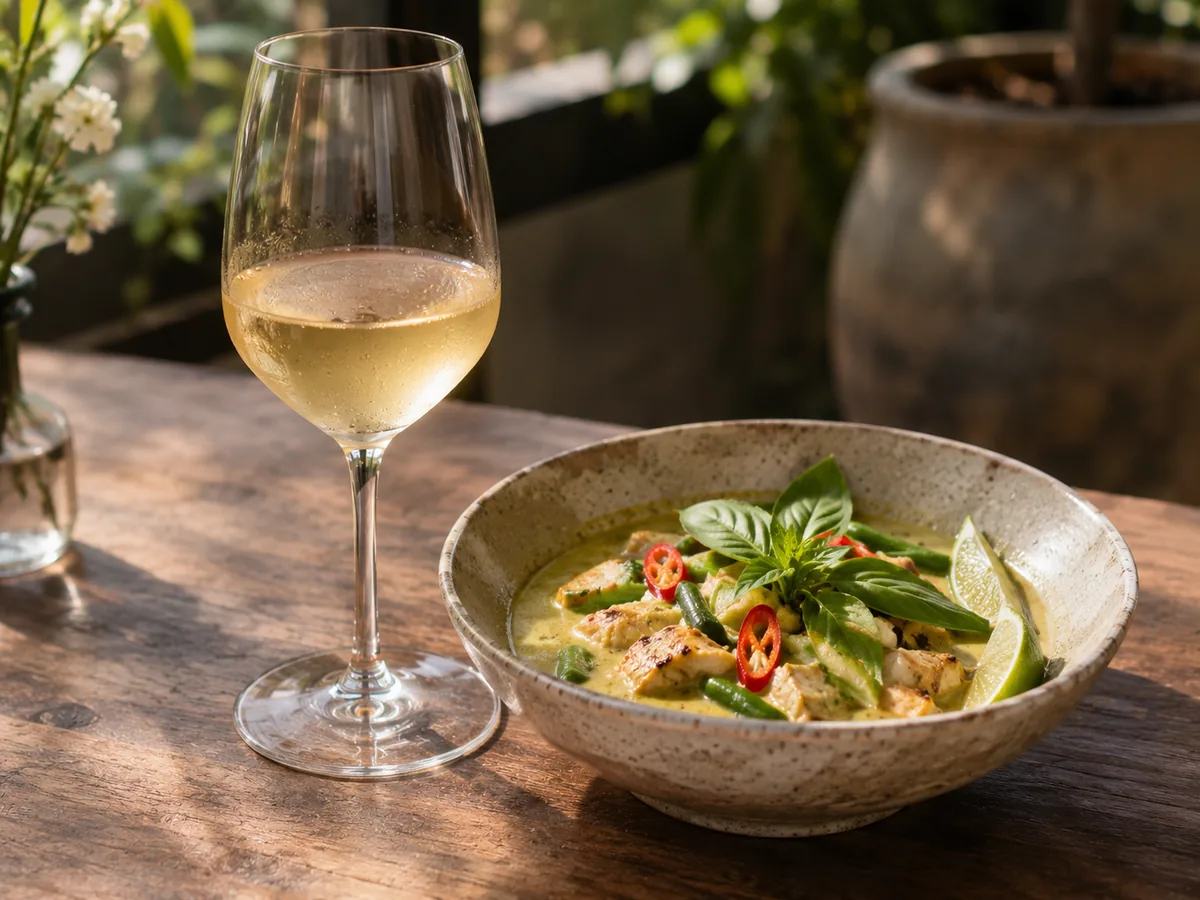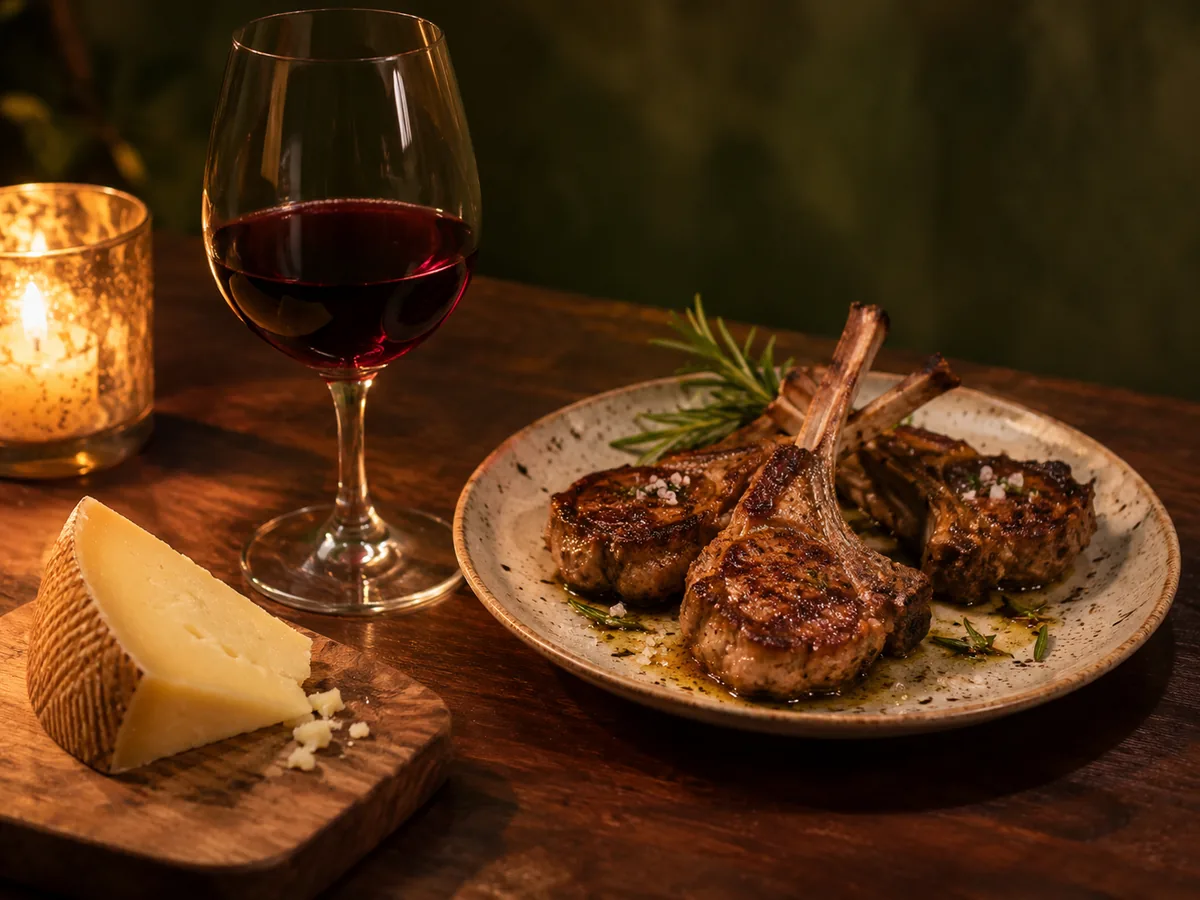
Biodynamic wine starts with a way of thinking about the vineyard as a living, connected place. The vines, soil, plants, animals, and surrounding landscape all have a role. For me, it's also one of the most fascinating approaches to winemaking because it asks so much of the people making the wine.
Quick answers
What does biodynamic mean? It's a farming system that treats the whole farm as an interconnected ecosystem and follows specific standards when certified.
Is it the same as organic? No. Biodynamic farming builds on organic requirements and adds its own practices and certification standards.
Is "natural wine" a certification? In the United States, there's no single shared certification or definition for the term.
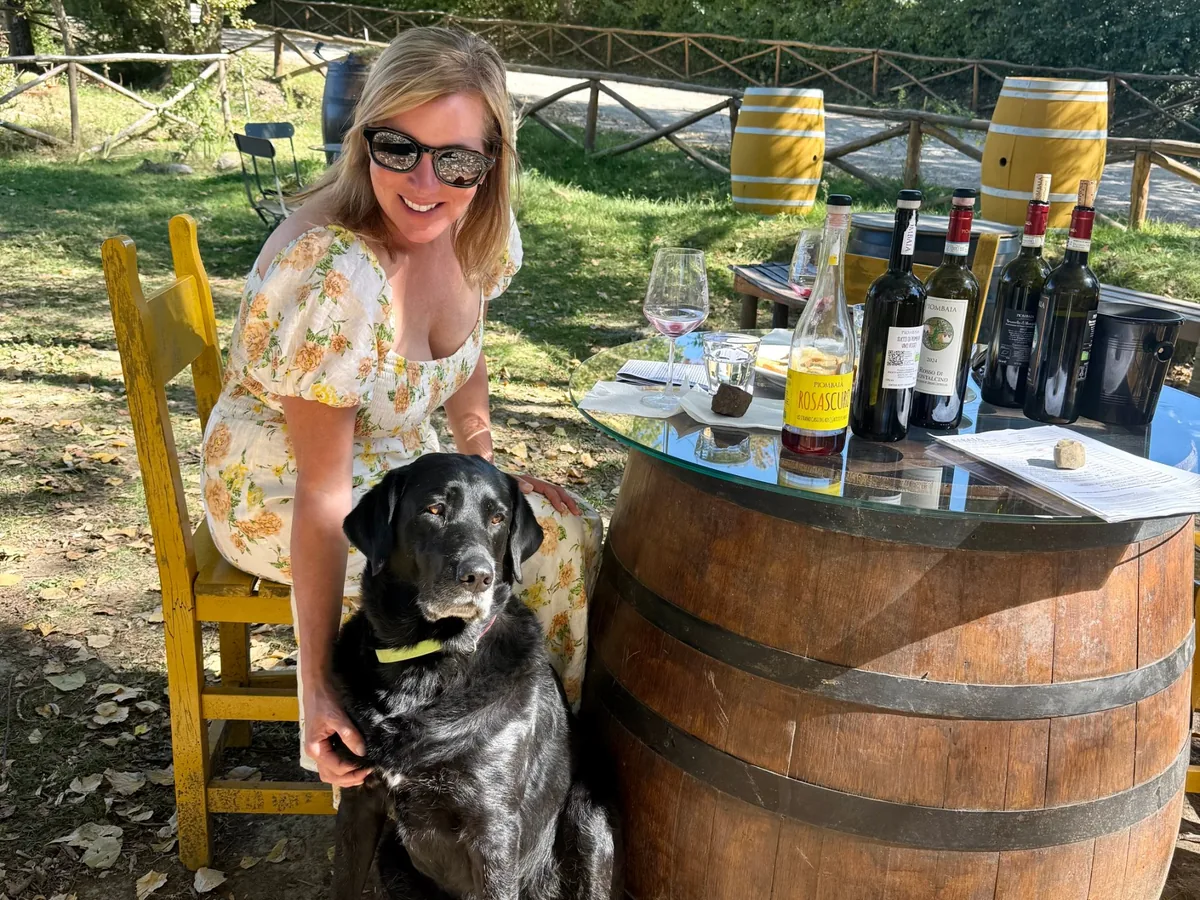
Why do I love biodynamic wine? The discipline and care it takes are a true testament to a winemaker's skill.
The vineyard as a living system
Biodynamic farming looks at the vineyard as more than rows of grapevines. It emphasizes soil health, compost, biodiversity, and making the farm more self-sustaining. Certified growers use preparations made from natural materials, such as herbs, minerals, and composted manure. Some also consult a biodynamic calendar, which follows the phases of the moon, when planning vineyard or cellar work.
What do the vineyard rows look like?
Biodynamic doesn't mean a vineyard has to be left unpruned or untended. Growers still manage vines and the land between them. But the approach does place a strong emphasis on keeping soil covered and supporting life across the farm. Demeter USA's standard, for example, prohibits bare tillage year-round and requires adequate green cover, along with land set aside for biodiversity.
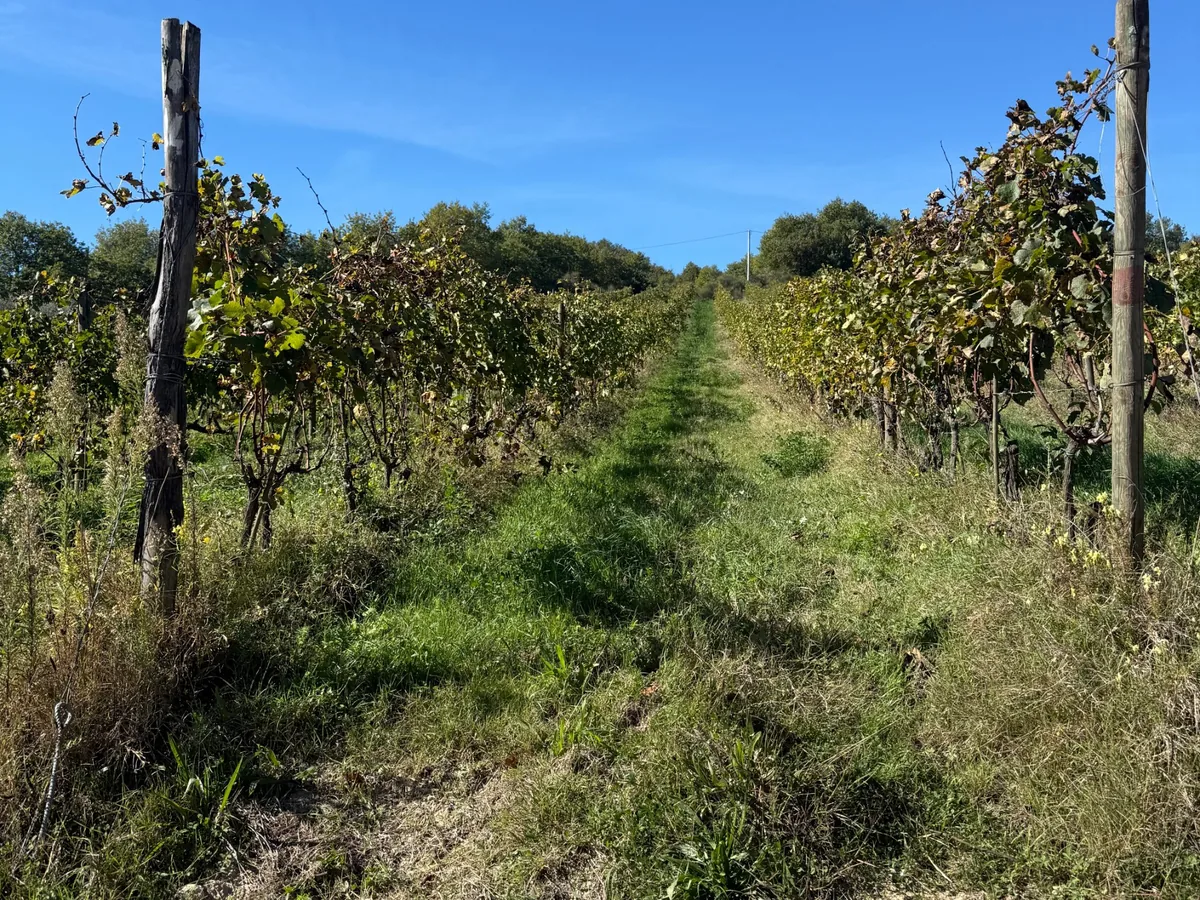
Some biodynamic vineyards may look less manicured than a closely mown or bare-soil vineyard, depending on how the grower manages cover crops and vegetation. That's an impression you might get on a vineyard visit, rather than a certification requirement that the rows look a certain way.
Can biodynamic vineyards use irrigation?
Yes. In the United States, Demeter's biodynamic standards allow irrigation. They call for water-conservation measures and careful scheduling that takes rainfall, crop needs, soil, and water use into account. Biodynamic vineyards do not have to rely only on natural rain.
Natural, organic and biodynamic: three different ideas
Natural | Organic | Biodynamic | |
|---|---|---|---|
What it describes | Usually a lower-intervention approach to making wine, especially in the cellar. | How grapes are farmed, plus rules for processing and labeling the wine. | A whole-farm approach to agriculture, with additional standards for certified wine. |
Is there a certification? | No single U.S. certification or universal definition. Some groups have their own standards. | Yes. In the U.S., wine labels making organic claims must meet USDA rules and be reviewed by an organic certifier and the TTB. | Yes. Demeter certification covers biodynamic farming, and certified Biodynamic Wine has separate processing standards. |
What might the rules cover? | Depending on the producer's own approach, fermentation, additions, and filtration. Ask how that producer defines the term. | Farming practices and permitted ingredients or processing. In the U.S., "organic wine" and "made with organic grapes" have different sulfite rules. | Farming practices such as biodiversity and compost, along with limits on certain cellar additions and manipulations for wine certified as Biodynamic Wine. |
Can the terms overlap? | Yes. A wine described as natural may also use organic or biodynamic grapes. | Yes. Organic grapes can be used to make wines with different cellar approaches. | Yes. Biodynamic farming and lower-intervention winemaking often overlap, but they are separate ideas. |
One label detail can be confusing in the United States: USDA-certified "organic wine" cannot contain added sulfites. Wine labeled "made with organic grapes" may contain added sulfites within the applicable limit, but it cannot use the USDA organic seal. "Biodynamic Wine" is also distinct from "made with Biodynamic grapes," which has different processing rules.
Careful work, vintage by vintage
This is my absolute favorite way for winemakers to make wine. The strict standards make it a true testament to their skill. They have to work thoughtfully with what the vineyard and the vintage give them while staying within the rules of the certification.
"I'm especially drawn to biodynamic wines because they encourage the winemaker to work with nature rather than against it, allowing the vineyard's unique character to shine through in every bottle."
— Nicole Strothman, co-founder and wine director
That doesn't mean every biodynamic wine tastes the same, or that there is one "biodynamic flavor." The grape, place, vintage, and winemaker still matter. The farming approach sets the stage; it doesn't write the whole story.
What happens in the cellar?
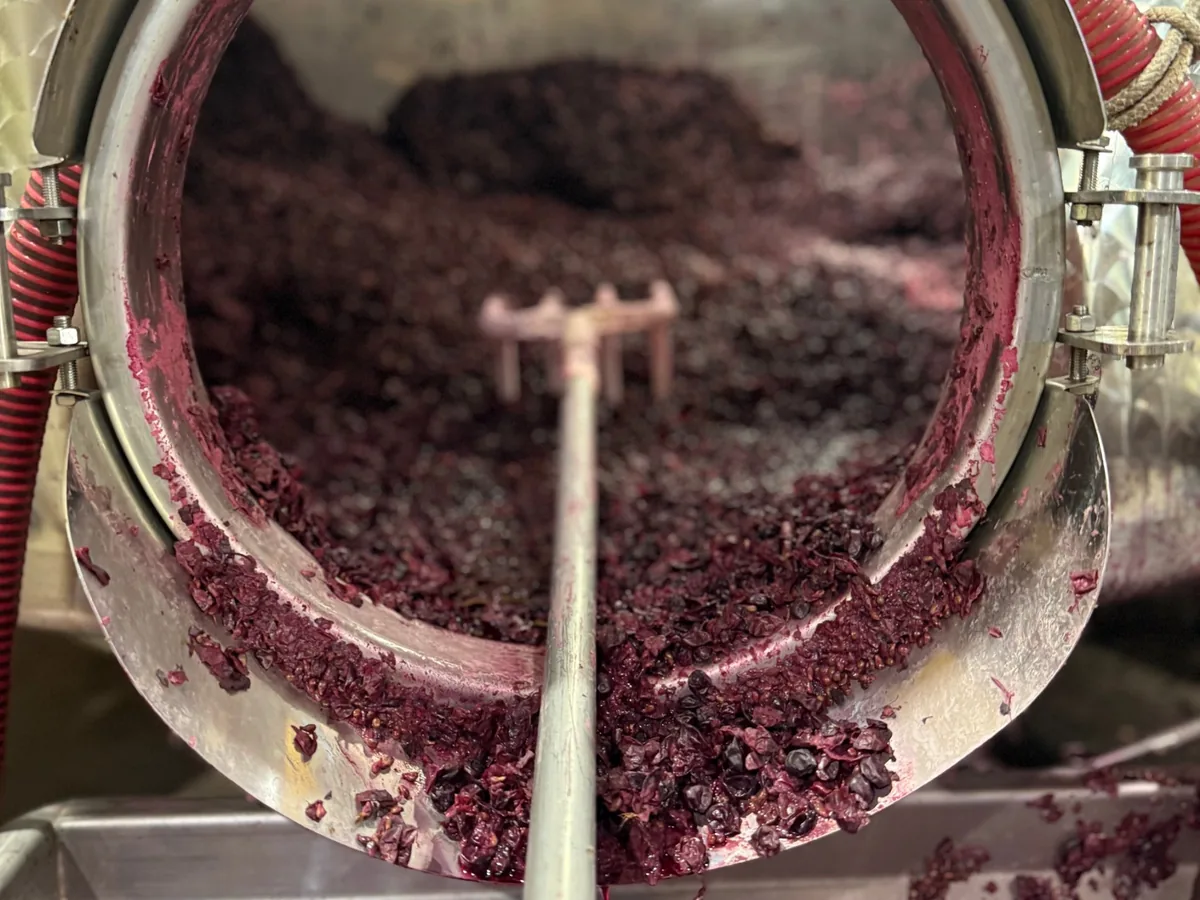
Biodynamic farming describes how the grapes are grown. To earn Demeter's U.S. Biodynamic Wine certification, the winery must also follow a separate processing standard. It calls for 100% certified biodynamic grapes and limits certain cellar interventions, including the use of added yeasts and adjustments to acid or sugar. A separate category, "made with Biodynamic grapes," allows a broader range of winemaking practices.
Curious about another style you'll often see next to natural and biodynamic wines on a list? Read our guide to orange wine.
A way of making wine that rewards curiosity
Biodynamic winemaking asks for close attention, from the health of the vineyard to decisions in the cellar. That's why I admire the winemakers who commit to it. They're working within a demanding process and letting each vintage speak for itself.
The next time you see a biodynamic wine on our list, ask us about it. We'd love to open a bottle and explore what makes it distinctive. Take a look at our menus too.