Monks helped shape some of Europe's most celebrated wine regions. But wine itself is much, much older.
It's easy to see an old wine press, a stone cellar, or a monk carved into a vineyard wall and imagine that monks were the ones who first made wine. They weren't. Wine was being made thousands of years before medieval monasteries existed.
Quick answers
Did monks invent wine? No. Archaeological evidence from Georgia points to grape wine being made around 6000 BCE.
So what did monks do for wine? In medieval Europe, monasteries tended vineyards for generations, kept records and helped refine winemaking.
Which regions did they shape? Burgundy is the best-known example, where Benedictine and Cistercian monks studied how wines differed from one vineyard plot to the next.
Did Dom Pérignon invent Champagne? No. He was a Benedictine monk who contributed to Champagne's development, but he didn't invent sparkling wine.
Wine is older than monasteries
Archaeological evidence from Georgia in the South Caucasus points to grape wine being made around 6000 BCE. That means wine's story begins in the ancient world, long before monks cultivated European vineyards. Georgia's ancient tradition of fermenting wine with its skins in clay vessels is also where orange wine comes from.
So what did the monks do?
Monks became important to wine's history in medieval Europe. Monasteries grew grapes and made wine for religious services, meals, guests, and trade. Their communities had the land, cellars, and time to tend vineyards over generations.
In Burgundy, Benedictine and Cistercian communities helped develop viticulture and carefully observe how wines differed from one vineyard parcel to another. UNESCO recognizes the role of these monastic orders, alongside the Dukes of Burgundy, in shaping the region's distinctive vineyard landscape.
The monks didn't create wine, but their steady work helped preserve and refine European winemaking. They cultivated vineyards, kept records, and passed knowledge from one generation to the next. Some of the vineyard places associated with monastic ownership are still well known today.
And what about Dom Pérignon?
Dom Pierre Pérignon was a Benedictine monk and cellarer at Hautvillers Abbey in Champagne. He did not invent wine, and the popular story that he invented sparkling Champagne is not accurate. He was, however, one of the monks who contributed to Champagne's development. The region's move toward deliberately making sparkling wines took shape over time, with important changes in the late 1600s and early 1700s.
The fun takeaway
The next time you see a monastery, an ancient press, or a vineyard named for a place with centuries of history, think of monks as caretakers and improvers, not the original inventors. Wine began in antiquity. Monastic communities helped carry winemaking knowledge through medieval Europe and helped shape the wine regions we still talk about today.
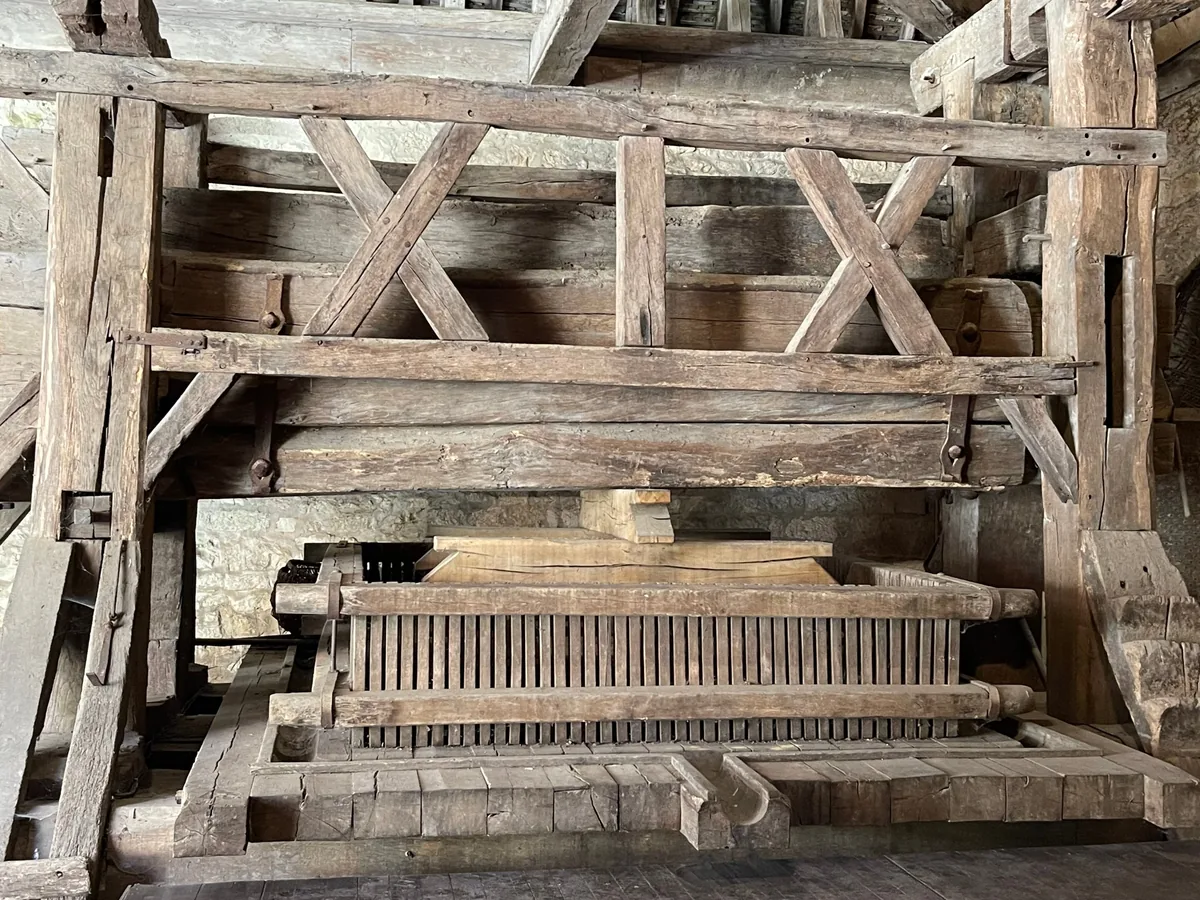
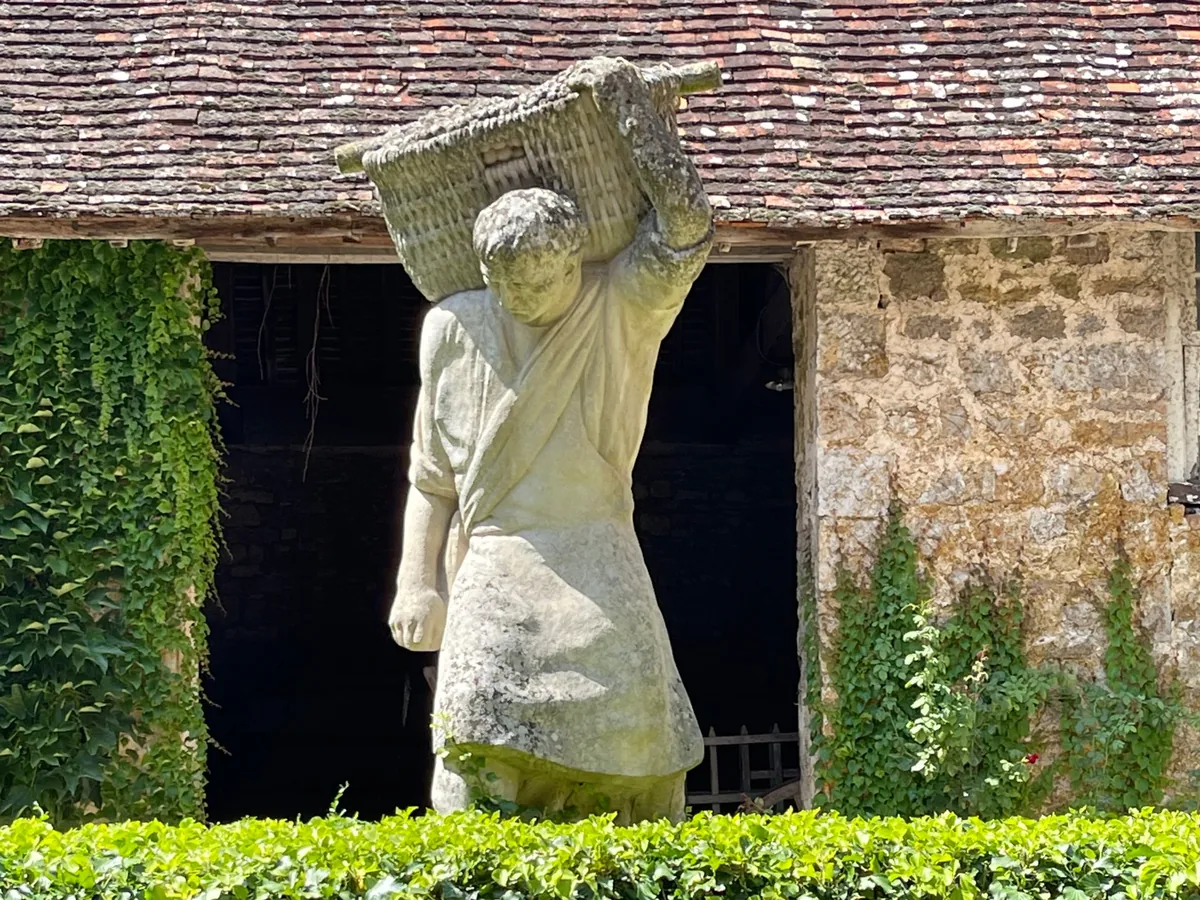
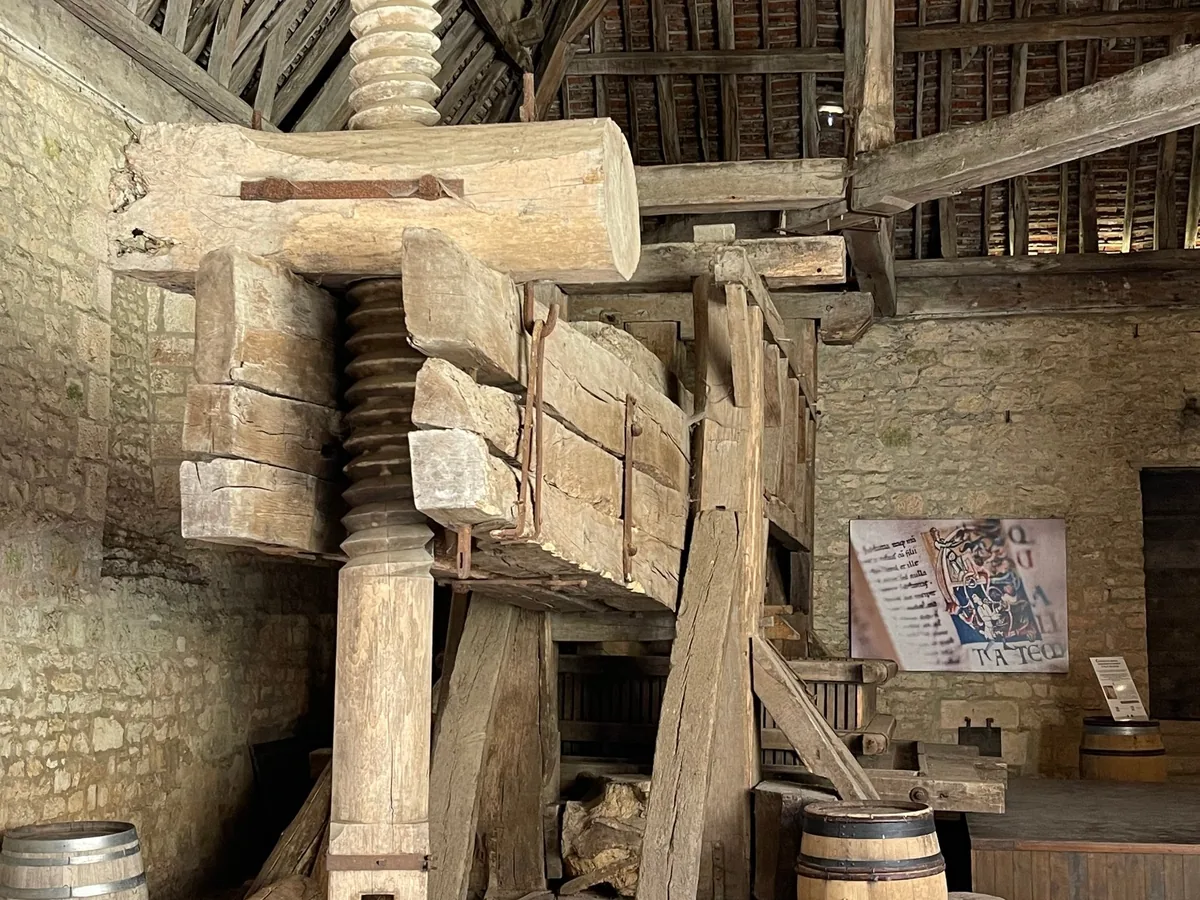
These photos of an old wine press I visited in France, a cellar, and a stone figure feel like a glimpse into that long connection between wine, place, and the people who cared for the vines. And that's one of the reasons I love wine: every bottle holds more than a grape variety. It carries a little piece of history, too.
Ask us about the stories behind what's open tonight, and take a look at our menus.