

Almost every bottle of wine sold in the US carries the words "contains sulfites," and many people blame sulfites for wine headaches. But what are sulfites, why are they in wine, and do they really cause headaches? This guide explains the facts in plain language.
Quick answers
What are sulfites in wine? Compounds based on sulfur dioxide that protect wine from spoiling and browning. Some form naturally during fermentation, and winemakers usually add a little more.
Why does my wine say "contains sulfites"? US law requires the warning on any wine with 10 parts per million (ppm) or more of sulfites, which is almost all wine.
Is there sulfite-free wine? Not completely, because yeast makes small amounts during fermentation. You can find wines with no added sulfites.
Do sulfites cause wine headaches? For most people, probably not. Research points to other likely causes, such as alcohol itself, dehydration and compounds found in red wine.
Which wines have the most sulfites? Sweet wines and many whites usually have more than dry reds.
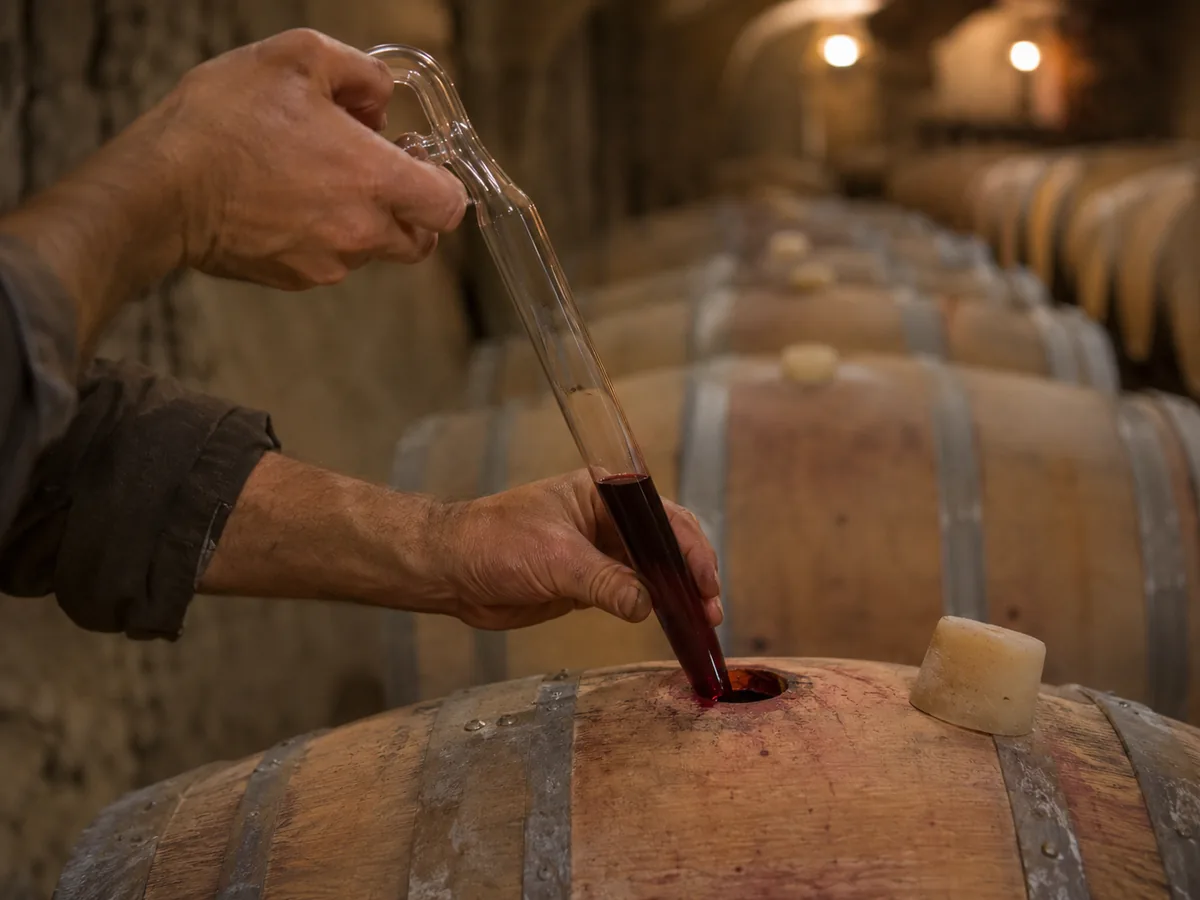
What sulfites are and why winemakers use them
Sulfites are compounds of sulfur dioxide (SO₂). Winemakers have used sulfur to protect wine for centuries. In small amounts, sulfites do two important jobs:
Antioxidant: they stop wine from reacting with oxygen, which would turn it brown and flat.
Antimicrobial: they stop unwanted bacteria and wild yeasts from spoiling the wine or turning it to vinegar.
That's why sulfites help wine travel, keep in the cellar and taste the way the winemaker intended. You can see where they come in during production in our guide to how wine is made.
How much sulfite is in wine?
Wine or food | Typical sulfite level |
|---|---|
Natural and "no added sulfites" wine | Very low, from fermentation only |
Dry red wine | Lower; tannins also protect red wine |
Dry white and rosé | Moderate |
Sweet and dessert wine | Highest, to protect the sugar from refermenting |
US legal maximum for wine | 350 ppm |
Dried fruit (for comparison) | Often much higher than wine |
Red wines usually need fewer added sulfites than whites because their tannins are natural antioxidants. Sweet wines need more, because leftover sugar could start fermenting again.
Do sulfites cause wine headaches?
This is the big question, and for most people the answer is probably no. A few reasons:
White wines usually contain more sulfites than reds, yet people more often blame red wine for headaches.
Many everyday foods, like dried fruit, contain far more sulfites than a glass of wine.
Researchers have pointed to other likely causes: alcohol itself, dehydration, histamines, and natural compounds in red grape skins.
A small share of people do have a real sulfite sensitivity, which is more common in people with asthma and usually causes breathing symptoms rather than a headache. If you think you react to sulfites, talk to a doctor. And whatever the wine, drinking water alongside it and enjoying it with food always helps.
Organic, natural and "no added sulfites" wine
"Organic wine" (USDA organic): no added sulfites allowed.
"Made with organic grapes": organic grapes, but small amounts of added sulfites are allowed.
Natural wine: little or no added sulfites. Read more in our guide to natural wine.
Biodynamic wine: strict limits on added sulfites. See our biodynamic wine guide.
Keep in mind that wines with few or no added sulfites are more fragile. Store them somewhere cool and finish them soon after opening; see how long wine lasts after opening.
Nicole on sulfites
Every wine contains some sulfites, since they're a natural part of fermentation, so 'sulfite-free' doesn't really exist. If you'd like bottles made with little or no added sulfur, start with our skin-contact and orange wines.
Curious about low-intervention wines? Ask our team what's pouring by the glass, and take a look at our menus.